




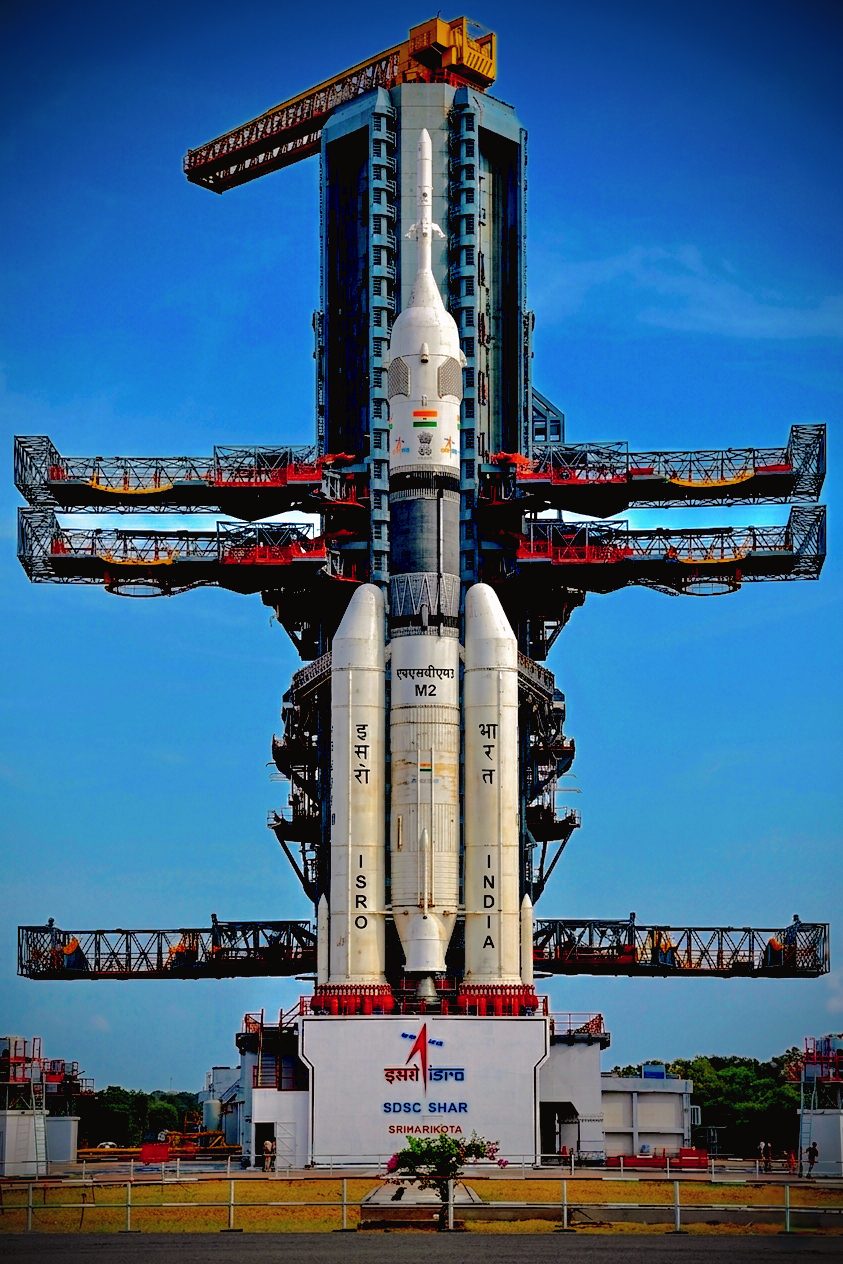
Gaganyaan Mission is making significant strides as ISRO’s VSSC ramps up efforts for India’s ambitious space goals. With plans to launch the first space station module by 2028, the mission is on track for groundbreaking achievements.
Overview of Gaganyaan Mission
The Gaganyaan Mission represents a significant leap forward for India’s ambitions in space exploration. Initiated by the Indian Space Research Organisation (ISRO), this mission aims to send Indian astronauts, or Gagannauts, into low Earth orbit. With a target launch window approaching, the project has gained considerable momentum at ISRO’s Vikram Sarabhai Space Centre (VSSC).
One of the primary objectives of the Gaganyaan Mission is to establish India as a key player in human spaceflight capabilities. The mission will utilize advanced technology and indigenous materials to ensure the safety and success of the crewed flight.
The timeline for the Gaganyaan Mission includes several critical milestones:
- Conducting uncrewed test flights to validate systems and technologies.
- Preparing the Gaganyaan crew for their journey through rigorous training programs.
- Aiming for the first crewed flight by 2025.
- Planning the launch of India’s first space station module by 2028.
As the mission progresses, it is expected to inspire future generations of scientists and engineers in India, reaffirming the nation’s commitment to advancing its space exploration capabilities.
ISRO’s Role in Space Exploration
The Indian Space Research Organisation (ISRO) plays a pivotal role in advancing India’s aspirations in space exploration, notably through the ambitious Gaganyaan Mission. As the country’s premier space agency, ISRO has been at the forefront of numerous space initiatives, driving technological advancements and fostering international collaborations.
With the Gaganyaan Mission, ISRO aims to send Indian astronauts, known as Gagannauts, into low Earth orbit. This mission represents a significant leap for India, marking its entry into the exclusive club of nations capable of human spaceflight. To achieve this, ISRO has developed a comprehensive plan that includes rigorous training, extensive testing of spacecraft, and ensuring the safety and reliability of the systems involved.
The agency has outlined several key steps in the Gaganyaan Mission:
- Development of Crew Module: Designing a spacecraft that can safely transport astronauts.
- Testing of Launch Vehicles: Utilizing the GSLV Mk III for effective deployment into orbit.
- International Collaborations: Partnering with global space agencies for expertise and support.
Through these efforts, ISRO is not only working towards the successful launch of the Gaganyaan Mission but also laying the groundwork for future space endeavors, including India’s planned space station by 2028.
Timeline for India’s Space Station
The timeline for India’s Space Station, a significant component of the Gaganyaan Mission, is accelerating as the Indian Space Research Organisation (ISRO) sets ambitious targets. The first module of the space station is expected to be launched by 2028, marking a pivotal step in India’s journey towards a self-sufficient presence in low Earth orbit.
Key milestones in the development and launch of the space station include:
- 2024: Completion of the essential technologies and systems that will support the mission.
- 2025: Initial tests of the crewed spacecraft, ensuring all systems are operational for future manned missions.
- 2026: Begin assembling the first module of the space station, which will serve as the foundation for future expansions.
- 2027: Conduct uncrewed missions to validate the integration of various components in orbit.
- 2028: Launch the first module into space, initiating India’s permanent human presence in low Earth orbit.
The Gaganyaan Mission not only aims to send astronauts into space but also establishes a framework for future advancements in space exploration and technology, contributing to India’s position as a leader in the global space community.
Challenges Ahead for Gaganyaan
The Gaganyaan Mission, while a significant leap for India’s space aspirations, faces several challenges that need to be addressed to ensure its success. These challenges include:
- Technological Hurdles: Developing reliable and safe spacecraft technology is crucial. The mission requires advancements in life support systems, propulsion, and re-entry technologies.
- Human Resources: Training astronauts for space travel presents its own set of difficulties. The selection and training process must ensure that candidates are physically and mentally prepared for the rigors of space.
- Financial Constraints: Adequate funding is essential for the completion of the Gaganyaan Mission. Balancing budget allocations between various projects is a challenge for ISRO.
- International Collaboration: While India has made significant strides in space, collaboration with other space agencies can provide valuable expertise. Navigating international partnerships remains a complex task.
- Safety Protocols: Ensuring astronaut safety is of utmost importance. Developing robust safety measures to prevent accidents during launch and re-entry is critical.
As ISRO continues its preparations, addressing these challenges will be vital for the Gaganyaan Mission to achieve its ambitious goals.
Future of Indian Space Missions
The future of Indian space missions looks promising as the Gaganyaan Mission paves the way for new advancements in space exploration. With its ambitious objectives, India aims to establish a strong presence in the global space arena.
Upcoming missions are expected to focus on the following key areas:
- Human Spaceflight: The success of the Gaganyaan Mission will be a significant milestone, enabling India to join an elite group of nations capable of sending humans into space.
- Space Station Development: Following Gaganyaan, India plans to develop its own space station, with the first module slated for launch by 2028, enhancing research opportunities in microgravity.
- Interplanetary Exploration: Future missions may include ambitious projects targeting the Moon and Mars, reinforcing India’s commitment to exploring beyond Earth.
- International Collaboration: Partnerships with other countries and space agencies will play a crucial role in sharing knowledge and resources, amplifying India’s space capabilities.
Overall, the Gaganyaan Mission serves as a catalyst for India’s future endeavors in space, setting the stage for innovative technologies and significant scientific discoveries.
By Hawkeye190305 via Openverse