









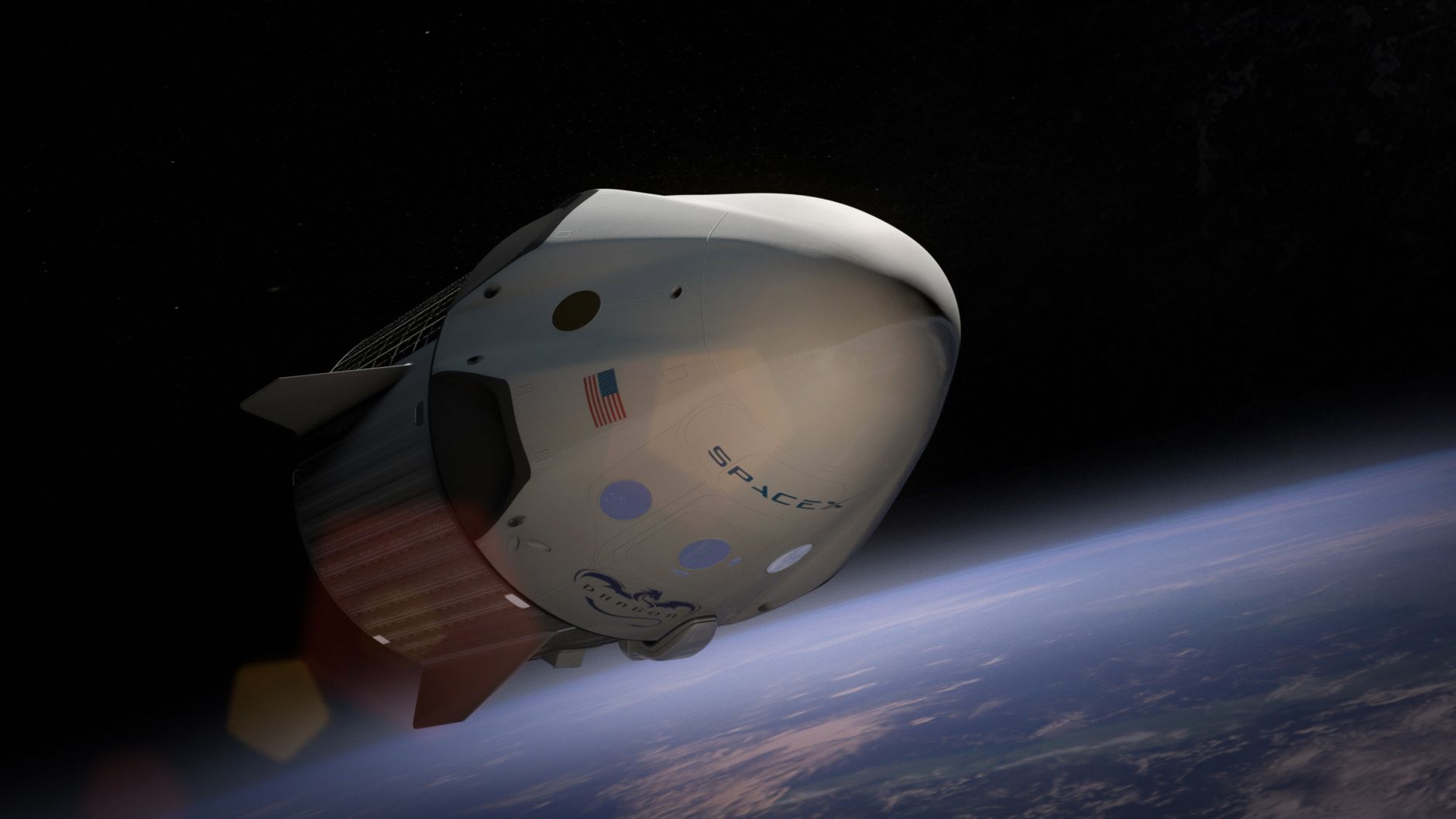
SpaceX mission success has sparked discussions about potential cost reductions in space launches. Although the recent mission was only half successful, its implications could still lead to a dramatic 77% decrease in launch costs.
Overview of SpaceX’s Latest Mission
SpaceX’s latest mission has marked a significant milestone in the aerospace industry, demonstrating both innovation and the potential for reduced launch costs. This mission, while facing challenges, showcased the capabilities of SpaceX in advancing space technology.
The mission’s objectives included:
- Testing new technologies that could enhance payload delivery efficiency.
- Gathering data to refine future spacecraft designs.
- Establishing partnerships with commercial entities for potential satellite launches.
Despite facing obstacles, the mission achieved crucial goals that could pave the way for lower launch expenses. Analysts believe that the insights gained from this mission will help SpaceX streamline operations, which could lead to a reduction in costs by up to 77% for future launches.
Moreover, the focus on sustainability and reusability remains a cornerstone of SpaceX’s strategy. By successfully landing and reusing components, the company aims to revolutionize space travel. The overall success of this SpaceX mission, though not without its setbacks, reinforces the company’s commitment to making space more accessible and affordable for all.
Implications of Partial Success
The recent SpaceX mission success, though only partially achieved, carries significant implications for the future of space travel and commercial launches. While certain objectives were not fully realized, the advancements made during the mission highlight the potential for substantial cost reductions in the aerospace industry.
Key points to consider include:
- Cost Efficiency: The mission’s partial success demonstrates the ability to streamline operations, which could lead to launch costs being slashed by up to 77% in future missions.
- Innovative Technology: The technologies developed and tested during this mission could pave the way for more reliable and efficient spacecraft, ultimately enhancing safety and reducing expenses.
- Market Expansion: With lower launch costs, more companies and research organizations might enter the space sector, increasing competition and innovation.
- Future Missions: Lessons learned from this mission will inform subsequent endeavors, setting the stage for more ambitious projects, including interplanetary travel.
In conclusion, while the SpaceX mission was only partially successful, the implications of this achievement herald a new era of affordability and accessibility in space exploration.
Cost Reduction Strategies in Aerospace
In the rapidly evolving aerospace sector, cost reduction strategies are crucial for sustaining growth and innovation. The recent SpaceX mission success has highlighted several key approaches that could significantly lower launch costs, making space more accessible than ever before.
- Reusable Rockets: One of the hallmarks of SpaceX’s strategy is the development of reusable rocket technology. By recovering and refurbishing rocket stages, SpaceX can drastically cut expenses associated with manufacturing new hardware for each launch.
- Streamlined Manufacturing: Implementing advanced manufacturing techniques, such as 3D printing and automated production lines, has enabled SpaceX to reduce labor and material costs while improving efficiency.
- Innovative Launch Practices: SpaceX’s approach to launch scheduling and operations optimizes turnaround times. By maximizing the frequency of launches, the company spreads fixed costs over more missions, thereby lowering the price per launch.
- Collaborative Partnerships: Working with various government and private entities allows SpaceX to share resources and risks, further reducing financial burdens.
These cost reduction strategies not only enhance SpaceX’s mission success but also pave the way for a new era of affordable space exploration.
Future of Space Launches
The future of space launches is looking increasingly promising, particularly in light of the recent SpaceX mission success. This achievement not only highlights the capabilities of private aerospace but also sets the stage for significant reductions in launch costs, potentially transforming the industry.
As companies like SpaceX continue to innovate, we can expect several key developments:
- Increased Competition: With more players entering the market, competition will drive prices down, making space more accessible for smaller organizations and nations.
- Reusability: Building on the success of reusable rockets, SpaceX and others will further refine technologies that allow for multiple launches from the same hardware, reducing costs dramatically.
- Advanced Technologies: Innovations in propulsion and materials science will contribute to more efficient launches, accelerating the timeline for space missions and research.
- International Collaborations: Partnerships between private companies and governments will likely expand, pooling resources and expertise to push the boundaries of space exploration.
Ultimately, the success of SpaceX missions will pave the way for a new era in space travel, characterized by lower costs and broader access, thus revolutionizing how humanity interacts with the cosmos.
Elon Musk’s Vision for Space Exploration
Elon Musk’s vision for space exploration has always been rooted in making space travel more accessible and affordable for humanity. The recent SpaceX mission success, although only partially realized, aligns perfectly with his ambitious goals. Musk has often stated that reducing the cost of launching payloads into orbit is crucial for enabling future missions to Mars and beyond.
His overarching vision includes:
- Reusable rockets: By developing rockets that can be reused multiple times, Musk aims to drastically cut down on launch expenses, making it economically feasible to send larger payloads into space.
- Commercial partnerships: Collaborating with governments and private entities to share costs and resources, thereby increasing the frequency of launches.
- Innovative technology: Pioneering advancements in propulsion and materials to enhance rocket efficiency and safety.
Despite the mixed results of the recent launch, Musk remains optimistic, believing that the lessons learned will pave the way for future successes. As he continues to push the boundaries of aerospace engineering, the potential for SpaceX mission success could lead to a reduction in launch costs by up to 77%, revolutionizing the industry.
The recent SpaceX mission success has demonstrated the company’s ability to reduce costs while maintaining high standards of reliability. As a result, the aerospace industry is witnessing a shift towards more affordable access to space, driven by this SpaceX mission success.
Photo by SpaceX on Pexels