

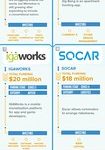




Korea startup funding has taken a surprising turn in Q3 2026, with robotics experiencing a surge as biohealth mega-deals vanish from the scene.
Current Trends in Korea’s Startup Scene
Korea’s startup funding landscape is undergoing significant changes as we enter Q3 2026. One of the most notable trends is the surge in investments within the robotics sector, which has gained momentum due to advancements in technology and increasing demand for automation.
In contrast, the biohealth sector has experienced a downturn, with major deals that once characterized the market now disappearing. This shift indicates a reevaluation of priorities among investors who are increasingly cautious about allocating funds to biohealth startups.
Key factors influencing these trends include:
- Technological Advancements: Innovations in robotics are attracting more attention.
- Market Demand: A growing need for automated solutions is driving investments.
- Investor Sentiment: Caution regarding the biohealth sector is leading to reduced funding.
As a result, Korea startup funding is shifting towards sectors perceived as more promising, reflecting the dynamic nature of the startup ecosystem.
The Rise of Robotics Funding
As Korea’s startup funding landscape evolves, a notable shift has emerged towards the robotics sector, overshadowing previous biohealth mega-deals. Investors are increasingly drawn to innovative robotics companies, reflecting a growing confidence in their potential for high returns. This surge can be attributed to several factors:
- Technological Advancements: Breakthroughs in artificial intelligence and automation have paved the way for more sophisticated robotics solutions.
- Market Demand: Industries are seeking automation to enhance efficiency and reduce costs, driving interest in robotics startups.
- Government Support: Korean authorities are backing robotics initiatives, providing funding and resources to foster growth.
In contrast, the decline in biohealth deals highlights a shift in investor sentiment, with many now prioritizing the robotics sector. This change indicates a broader trend in Korea’s startup funding, as investors seek opportunities in emerging technologies that promise substantial impact and profitability.
Impact of Biohealth Deal Decline
The decline in biohealth deal activity is reshaping the landscape of Korea startup funding, leaving investors and entrepreneurs to reassess their strategies. As mega-deals disappear, the once-thriving sector faces significant challenges.
Several factors contribute to this downturn:
- Regulatory Changes: Stricter regulations have made it difficult for biohealth startups to secure funding.
- Market Saturation: An influx of companies in the biohealth space has created fierce competition.
- Investor Sentiment: Growing caution among investors has led to a preference for sectors with clearer profitability paths, like robotics.
This shift emphasizes the need for innovation and adaptability within the biohealth industry. While robotics funding is on the rise, the future of biohealth funding in Korea remains uncertain as startups strive to navigate the changing dynamics.
Future Predictions for Korean Startups
As the landscape of Korea’s startup funding continues to evolve, future predictions suggest a shift towards sustainable innovation and technology-driven solutions. Analysts anticipate that sectors such as artificial intelligence and green technology will attract significant investment, driven by both domestic and international interest.
With the decline of mega-deals in the biohealth sector, startups are expected to adapt by diversifying their portfolios and focusing on niche markets. This strategy may pave the way for increased funding opportunities in emerging areas, including fintech and edtech.
Moreover, as venture capitalists seek to mitigate risks, they may prioritize startups demonstrating robust business models and scalability. This trend could lead to more competitive funding rounds, ultimately benefiting innovative startups capable of meeting market demands.
In conclusion, the future of Korea startup funding appears promising as entrepreneurs embrace change and pursue growth in untapped industries.
As the landscape of Korea startup funding evolves, investors are becoming increasingly cautious about biohealth deals. This shift indicates a growing awareness of the risks associated with poor-performing investments in Korea startup funding.
By Tech in Asia via Openverse
Where this came from
Related reading
Gaganyaan Mission: Best Proven Steps Towards India’s Space Goals · AI Game Engine: Best Proven Plans from Capcom · Best Compact Smartphones: What Are the Proven Picks?