









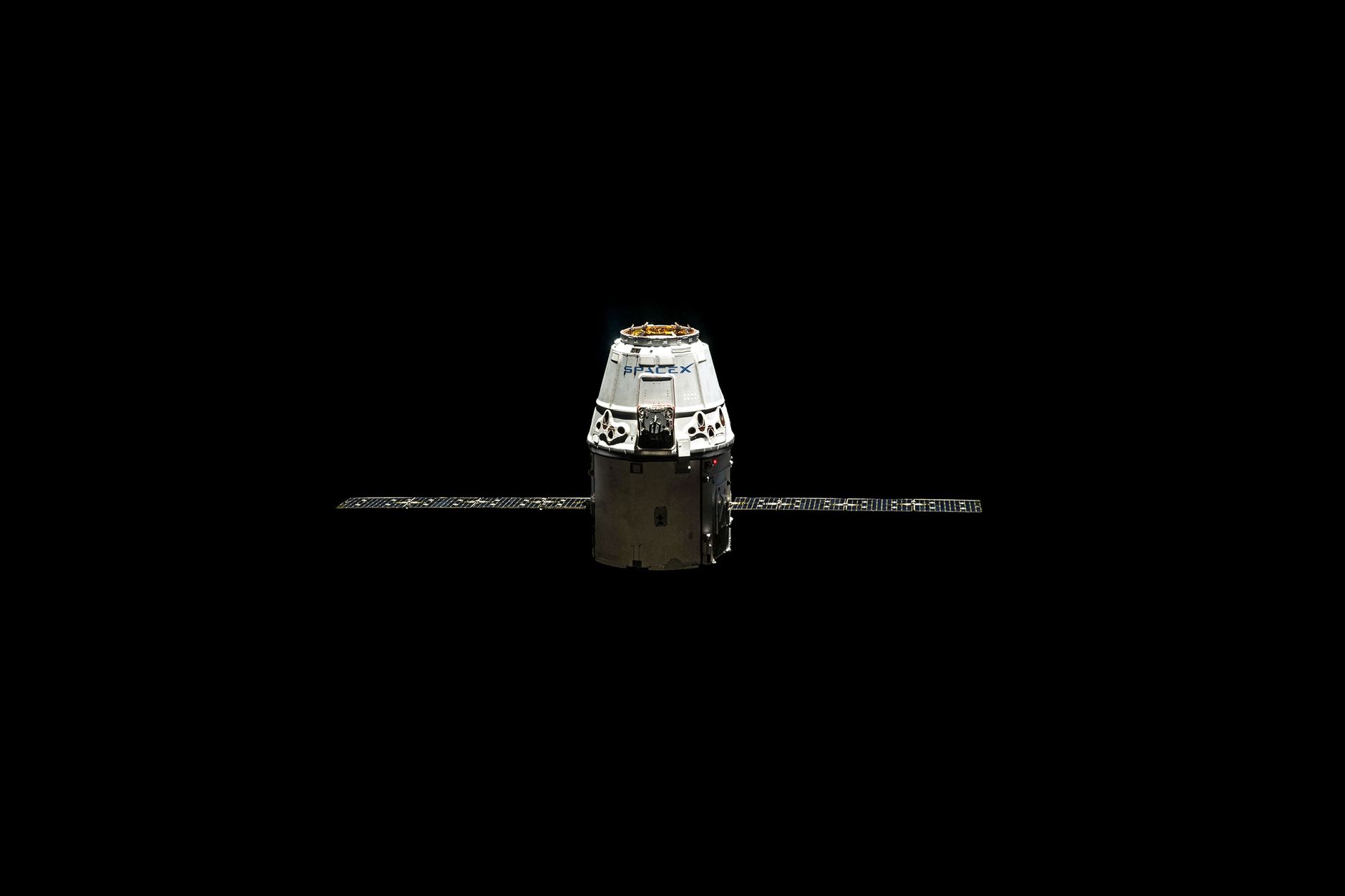
SpaceX Starship catch is a groundbreaking event in space exploration. This historic milestone highlights the company’s advancements in rocket recovery technology and its commitment to future missions.
Overview of the SpaceX Starship catch
The recent achievement of SpaceX in successfully executing a Starship catch marks a significant milestone in the realm of space exploration. This event, which took place after an orbital flight, showcases the innovative engineering and ambitious goals that SpaceX has pursued since its inception. The Starship catch involves the recovery of the spacecraft using a sophisticated system designed to capture it mid-air as it descends back to Earth.
During the flight, the Starship demonstrated its capabilities by reaching the intended orbit and completing its mission objectives. As it re-entered the atmosphere, the company utilized its unique catch system, which employs a combination of advanced technology and precision timing. This method not only minimizes the risks associated with landing but also provides a sustainable approach to space travel.
Key elements of the SpaceX Starship catch include:
- Enhanced recovery techniques: Utilizing a net-like mechanism to capture the spacecraft.
- Reusability: This innovative approach aims to reduce costs and increase the frequency of launches.
- Safety measures: Ensuring that the process is reliable and safe for future missions.
The successful Starship catch represents a pivotal moment in aerospace history, underscoring SpaceX’s commitment to revolutionizing space travel and exploration.
Significance of the orbital flight
The successful completion of the orbital flight marks a significant milestone in the journey of SpaceX and its ambitions for space exploration. The SpaceX Starship catch is not only a technological achievement but also a pivotal moment that could redefine future space missions.
This event demonstrates the potential for reusable spacecraft, which can drastically reduce the costs associated with space travel. By catching the Starship during its return, SpaceX has showcased the effectiveness of its innovative approach to landing and recovery. This method could enable more frequent launches, paving the way for deeper space exploration and possible missions to Mars.
The implications of this achievement extend beyond just SpaceX. As the space industry evolves, the success of the Starship catch can inspire other organizations to invest in similar technologies. The focus on reusability aligns with global efforts to make space more accessible and sustainable.
Furthermore, the data gathered during this orbital flight and recovery process will provide invaluable insights for future missions. Engineers and scientists can analyze the performance of the Starship in various conditions, enhancing safety and efficiency for subsequent flights.
In summary, the significance of the orbital flight and the SpaceX Starship catch cannot be overstated. It represents a leap forward in aerospace technology and a promising step towards the future of interplanetary travel.
Technological advancements in rocket recovery
The recent success of SpaceX in achieving a Starship catch marks a significant leap in technology related to rocket recovery. This groundbreaking advancement demonstrates the potential for reusability in space travel, which could revolutionize the aerospace industry.
One of the key technological advancements contributing to this achievement includes:
- Autonomous Landing Systems: SpaceX has developed sophisticated algorithms and sensors that allow the Starship to navigate and land autonomously. This technology minimizes the need for ground-based control, making recovery more reliable.
- Improved Guidance and Navigation: The integration of advanced guidance systems has enhanced the precision of landing maneuvers. These systems enable the rocket to adjust its trajectory in real-time, ensuring a successful Starship catch.
- Enhanced Structural Integrity: The materials used in the construction of the Starship have been optimized for both durability and weight. This innovation allows the rocket to withstand the stresses of reentry while maintaining the ability to catch and recover efficiently.
Moreover, the advancements made by SpaceX in rocket recovery have significant implications for future missions. The ability to catch and reuse rockets not only reduces costs but also accelerates the pace of space exploration. As SpaceX continues to refine its technology, the Starship catch will likely serve as a pivotal milestone in the quest for sustainable space travel.
Future missions for SpaceX
As SpaceX prepares for its future missions, the success of the Starship catch marks a pivotal moment in the evolution of space travel. Following the historic orbital flight, the company is now looking to capitalize on this achievement to enhance its upcoming endeavors.
Future missions for SpaceX include:
- Moon Missions: With NASA’s Artemis program on the horizon, SpaceX plans to use the Starship for crewed lunar landings, showcasing its capability to deliver astronauts to the Moon.
- Mars Colonization: Aiming to establish a human presence on Mars, SpaceX is committed to refining the Starship design, ensuring it can support long-duration flights and sustainable habitats.
- Satellite Deployments: The Starship’s capacity to carry heavy payloads opens new possibilities for deploying thousands of satellites, enhancing global internet coverage through the Starlink program.
- Space Tourism: With the successful Starship catch, SpaceX is poised to offer commercial space travel experiences, allowing civilians to venture beyond Earth.
Each of these missions will not only capitalize on the innovative technologies demonstrated in the recent catch but also push the boundaries of human exploration. As SpaceX advances its ambitions, the Starship catch stands as a testament to what is possible in the future of space travel.
Reactions from the aerospace community
The aerospace community has responded enthusiastically to the recent achievement of SpaceX Starship catch, marking a significant milestone in space exploration. Experts and industry leaders have taken to social media and various platforms to express their admiration for the successful recovery of the spacecraft.
Many in the field have highlighted the implications of this accomplishment for future missions. Dr. Emily Carter, a renowned aerospace engineer, stated, “The successful catch of Starship is a game changer for reusable rocket technology. It opens up new possibilities for cost-effective space travel.”
In addition to industry leaders, space enthusiasts and scientists alike have shared their excitement. Tom Jenkins, a popular science communicator, remarked, “This is a testament to human ingenuity and the relentless pursuit of innovation. SpaceX is pushing the boundaries further than ever before.”
Various organizations have also issued statements commending SpaceX’s achievement. NASA expressed its support, noting, “Collaborations and advancements in technology are crucial for the future of space exploration. SpaceX’s Starship catch is a step forward for everyone in the field.”
Overall, the aerospace community views the SpaceX Starship catch as a pivotal moment that will inspire further advancements in rocket recovery and pave the way for even more ambitious missions in the years to come.
Challenges faced during the flight
The recent successful SpaceX Starship catch marked a monumental achievement, yet it was not without its challenges during the flight. Numerous factors contributed to the complexity of this operation, showcasing the demanding nature of space missions.
- High Wind Conditions: The launch occurred during a period of unpredictable weather, with high winds posing a significant threat to stability during ascent and descent.
- Technical Malfunctions: Throughout the flight, the team faced unexpected technical issues that required quick thinking and on-the-spot problem-solving to ensure the safety of the spacecraft.
- Recovery Timing: The timing of the catch was crucial. The spacecraft had to be maneuvered precisely to align with the catch system, requiring impeccable coordination between ground control and the onboard systems.
- Reentry Heat Management: Reentering the atmosphere presented its own set of challenges. The heat shield had to withstand extreme temperatures, and any failure could have jeopardized the entire mission.
- Public Scrutiny: With the eyes of the world watching, the pressure on the team was immense. Each decision made during the flight was under scrutiny, adding to the overall stress of the mission.
Despite these hurdles, the SpaceX team demonstrated exceptional skill and resilience, culminating in the historic Starship catch, a testament to their dedication and innovative spirit in the aerospace industry.
The successful SpaceX Starship catch demonstrates the company’s innovative approach to reusability in space travel. This achievement marks a significant milestone for the SpaceX Starship catch, paving the way for future missions beyond Earth.
Photo by Pixabay on Pexels