







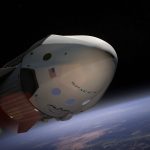


NASA SkyFall Mars helicopters are riding on a nuclear rocket, a choice that combines innovative technology with ambitious exploration goals.
What are NASA SkyFall Mars helicopters?
The NASA SkyFall Mars helicopters represent a groundbreaking advancement in space exploration technology. Designed to operate in the thin atmosphere of Mars, these helicopters are intended to complement future rover missions by providing aerial reconnaissance and data collection.
Each helicopter is equipped with advanced navigation systems that allow for autonomous flight, enabling them to traverse the Martian landscape with precision. This capability is particularly important given the diverse terrains found on Mars, which can present significant challenges for ground-based vehicles.
The SkyFall helicopters are also notable for their integration with a nuclear rocket system. This unique pairing aims to enhance the efficiency and range of missions on the Red Planet. The nuclear rocket technology provides a reliable power source, allowing the helicopters to operate longer and carry heavier payloads, including scientific instruments and imaging equipment.
- Autonomous Navigation: Ensures precise flight paths.
- Long-duration Missions: Enabled by nuclear rocket technology.
- Data Collection: Aids in scientific research and exploration.
With the development of the NASA SkyFall Mars helicopters, the agency is paving the way for more dynamic and versatile exploration of Mars, potentially uncovering new insights into the planet’s geology and past conditions.
The role of nuclear rockets in space exploration
The advancement of space exploration often hinges on the capabilities of propulsion systems. In this context, nuclear rockets present a transformative opportunity for missions beyond low Earth orbit. With their potential for high efficiency and prolonged operational durations, these rockets could redefine how humanity reaches distant celestial bodies.
One of the key advantages of nuclear rockets is their ability to deliver substantial thrust while utilizing less propellant compared to traditional chemical rockets. This efficiency is particularly crucial for missions involving the NASA SkyFall Mars helicopters, which aim to explore the Martian surface extensively. By employing nuclear propulsion, these helicopters can be deployed more effectively, allowing for extended flight times and greater scientific data collection.
Moreover, nuclear power systems could enable longer missions, reducing the need for frequent resupply. This capability is essential for exploring Mars, where resources are limited and the journey back to Earth can be lengthy and complicated. As NASA continues to develop the SkyFall program, the integration of nuclear rockets becomes a vital consideration in ensuring the success and sustainability of its ambitious exploration goals.
In summary, the role of nuclear rockets in space exploration is becoming increasingly pivotal, providing the necessary thrust and endurance for groundbreaking missions such as those involving the NASA SkyFall Mars helicopters.
Challenges faced by the SkyFall mission
The SkyFall mission, which aims to deploy NASA SkyFall Mars helicopters, faces a variety of challenges that could impact its success. These challenges stem from both technical and operational aspects of utilizing nuclear rocket technology for space exploration.
- Technical Complexity: Developing and integrating nuclear propulsion systems with the SkyFall Mars helicopters requires extensive research and testing. Engineers must ensure that the engines operate efficiently in the harsh Martian environment.
- Safety Concerns: The use of nuclear materials poses significant safety risks. Ensuring that the rocket can be launched and operated without any hazardous incidents is paramount, especially considering public perception and environmental impact.
- Regulatory Hurdles: NASA must navigate a complex landscape of regulations concerning nuclear technology. Gaining approval from various governmental and international bodies adds layers of bureaucracy to the mission timeline.
- Funding and Resources: Securing adequate funding for the SkyFall Mars helicopters and their associated nuclear rocket systems is an ongoing challenge. Budget constraints could limit the scope and scale of the mission.
Despite these hurdles, the potential benefits of successfully deploying the SkyFall Mars helicopters using nuclear rockets could revolutionize our approach to exploring the Red Planet.
Benefits of using nuclear propulsion
The use of nuclear propulsion in the NASA SkyFall Mars helicopters mission presents numerous advantages that could significantly enhance the mission’s success and efficiency. By harnessing the power of nuclear energy, these helicopters can operate for extended periods without the limitations imposed by traditional fuel sources.
Some key benefits of utilizing nuclear propulsion include:
- Extended Range: Nuclear rockets can provide a higher energy density compared to conventional propulsion systems, allowing the SkyFall Mars helicopters to cover larger distances on the Martian surface.
- Increased Payload Capacity: With the enhanced thrust and efficiency of nuclear propulsion, there is potential for carrying more scientific instruments and equipment, which can lead to richer data collection and analysis.
- Reliability: Nuclear systems are designed to operate in harsh environments, making them more resilient to the challenges faced on Mars, such as extreme temperatures and dust storms.
- Faster Mission Timeline: The ability to reach and operate in various locations on Mars more quickly can help accelerate research timelines and boost overall mission productivity.
As NASA continues to explore the viability of the SkyFall Mars helicopters, the implementation of nuclear propulsion stands out as a promising solution for future interplanetary missions.
Public perception of nuclear technology in space
The public perception of nuclear technology in space has long been a topic of debate and concern. With the advent of NASA’s SkyFall Mars helicopters, which rely on nuclear rocket technology for their missions, discussions surrounding safety, environmental impact, and potential benefits have intensified.
Many people associate nuclear technology with risks, stemming from historical accidents and the implications of nuclear waste. However, experts argue that modern advancements have significantly improved safety measures. The NASA SkyFall Mars helicopters utilize robust systems designed to minimize potential hazards, ensuring that missions can be conducted safely even in the harsh Martian environment.
Despite the challenges, there are several factors influencing public opinion:
- Safety Records: Historical incidents have led to skepticism about nuclear technologies; however, space programs emphasize the stringent safety protocols in place.
- Educational Outreach: Increased efforts in educating the public about the benefits of nuclear propulsion and its necessity for deep space exploration help alleviate fears.
- Environmental Concerns: The potential for nuclear rockets to reduce the carbon footprint of space missions is a significant point in their favor.
As the SkyFall mission progresses, shifting public perception could play a vital role in the future of space exploration and the acceptance of nuclear technology in this arena.
Future missions inspired by SkyFall
The success of NASA SkyFall Mars helicopters could pave the way for future missions that leverage both the capabilities of aerial exploration and the power of nuclear propulsion. As space agencies explore more ambitious goals, such as returning samples from Mars or sending missions to the outer planets, the lessons learned from the SkyFall program will be invaluable.
Future missions may include:
- Sample Return Missions: Utilizing helicopters like those in the SkyFall program to collect and transport samples back to Earth could enhance our understanding of Martian geology.
- Extended Exploration: The combination of nuclear propulsion and aerial vehicles may allow for longer missions with greater distances covered on planetary surfaces.
- Multi-Planetary Missions: Inspired by the SkyFall concept, other celestial bodies could be explored using similar helicopter technology, expanding our reach within the solar system.
- In-situ Resource Utilization: Future missions might focus on using resources found on Mars, with helicopters assisting in locating and extracting these materials.
In addition to enhancing exploration capabilities, the advancements in technology brought about by the SkyFall Mars helicopters will contribute to a better understanding of how nuclear rockets can safely and effectively be utilized in space missions, overcoming historical concerns associated with nuclear technology.
The innovative design of the NASA SkyFall Mars helicopters allows for unprecedented exploration of the Martian surface. By leveraging advanced nuclear rocket technology, the NASA SkyFall Mars helicopters can achieve longer flight durations and greater payload capacities.
Photo by RDNE Stock project on Pexels
Read the original
Vice City jerseys: Are they the best way to promote GTAVI? · Is the PS5-compatible gamepad the Best Choice for Gamers? · Martian glaciers discovery: The Best Proven Insights Revealed