








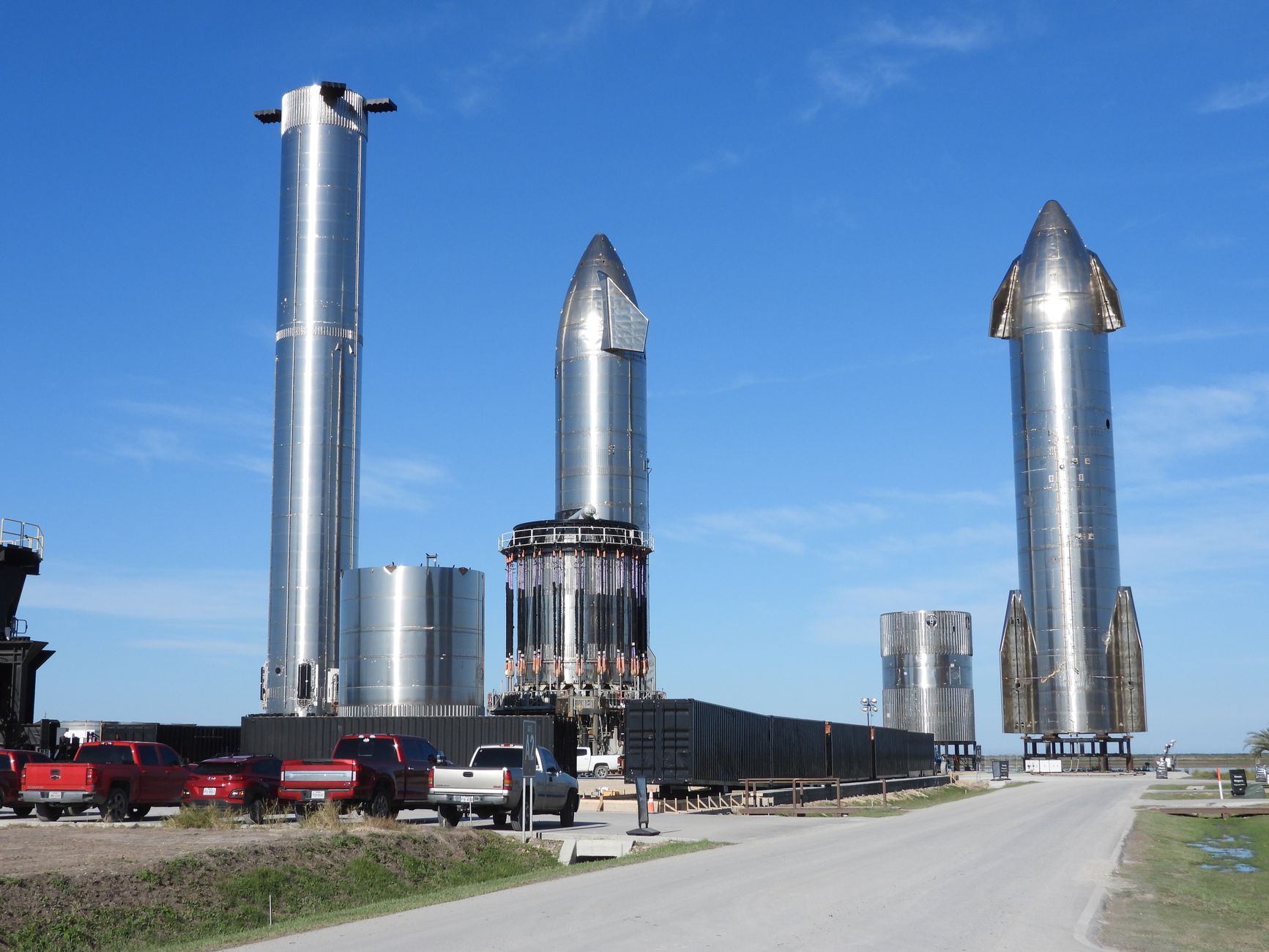
SpaceX Starship launch has captured global attention after its 15th test. This milestone marks a significant achievement in space exploration and rocket technology.
Overview of SpaceX’s Starship
SpaceX’s Starship represents a significant leap in space exploration and rocket technology. This fully reusable spacecraft is designed for a variety of missions, including crewed flights to the Moon, Mars, and beyond. With its impressive payload capacity, the Starship aims to revolutionize access to space.
The recent SpaceX Starship launch marked a pivotal moment in the company’s pursuit of interplanetary travel. It was the 15th test of the rocket, showcasing advancements in design and reliability. This latest launch was notable as it demonstrated a successful lift-off and ascent, leading to a promising evaluation of the rocket’s capabilities.
Despite previous setbacks and challenges faced during earlier tests, SpaceX has continuously refined the Starship’s technology. The company has focused on improvements in safety, performance, and efficiency, aiming for a higher success rate in future launches. The journey of Starship is still unfolding, and each test launch contributes valuable data to enhance its design and operational strategies.
As SpaceX continues to push the boundaries of space travel, the world watches closely, eager to witness the next milestones in the Starship program.
What makes the Starship unique?
The SpaceX Starship launch represents a significant leap in aerospace technology, distinguished by several unique features that set it apart from previous rockets.
First and foremost, the Starship is designed for full reusability, allowing it to be launched multiple times without extensive refurbishment. This feature is critical for reducing costs and increasing the frequency of space travel.
Additionally, the Starship boasts an impressive payload capacity, enabling it to carry more cargo than any other rocket currently in operation. This capability is essential for missions that aim to transport large amounts of equipment and supplies to destinations such as the Moon and Mars.
Another unique aspect is its advanced propulsion system, which utilizes Raptor engines fueled by liquid methane and liquid oxygen. This choice of fuel not only enhances performance but also aligns with future plans for in-situ resource utilization on other celestial bodies.
Finally, the Starship’s design incorporates innovative materials that withstand the extreme conditions of space travel, further contributing to its unmatched performance.
SpaceX Starship launch milestones
Since its inception, the SpaceX Starship launch program has achieved several significant milestones that highlight the development and testing phases of this ambitious project. Each launch has provided valuable data, paving the way for future missions.
- Initial Test Flights: The journey began with a series of early prototypes, starting with Starship SN1, which faced challenges but laid the groundwork for subsequent tests.
- SN5 and SN6 Successes: Both prototypes successfully completed high-altitude flights, demonstrating the vehicle’s capability to ascend and descend safely.
- Orbital Flight Test: The 15th test launch marked a critical point in the program, as it was the first attempt to reach orbital velocity.
- First Stage Boosters: The development of the Super Heavy booster has been crucial for achieving the necessary thrust for the Starship launch.
The successful integration of these milestones has strengthened the confidence in the Starship’s potential for interplanetary travel and beyond.
Challenges faced during launches
SpaceX has faced numerous challenges during its ambitious Starship launch program, which aims to revolutionize space travel. Each test has brought its own set of hurdles that engineers and scientists have had to overcome.
- Technical Failures: The complexity of the Starship design has resulted in various technical issues, from engine malfunctions to structural integrity problems.
- Environmental Concerns: Launches have raised environmental questions, particularly regarding noise pollution and the impact on local wildlife.
- Regulatory Hurdles: Navigating the regulatory landscape has been challenging, with SpaceX needing to comply with stringent safety and environmental regulations.
- Public Perception: Each launch has been a public spectacle, drawing scrutiny and criticism, especially following failures that can undermine confidence in the program.
- Funding and Resources: Securing consistent funding to support the costly development and testing phases of the SpaceX Starship launch has been another ongoing challenge.
Despite these obstacles, SpaceX continues to push forward, learning from each launch to improve the Starship’s design and performance.
Future of SpaceX and Starship
The future of SpaceX and its ambitious Starship project looks promising as the company continues to push the boundaries of space exploration. With each SpaceX Starship launch, the organization gathers invaluable data that informs their design and operational strategies. This iterative process significantly enhances the chances of future success.
Key factors contributing to the optimistic outlook for Starship include:
- Innovative Technology: The advancements in rocket design and engineering provide a competitive edge.
- Increased Testing: Frequent test launches allow for rapid problem-solving and optimization.
- Potential Partnerships: Collaborations with governmental and private entities could bolster funding and resources.
- Vision for Mars Exploration: Elon Musk’s dream of colonizing Mars drives the mission to perfect Starship.
As SpaceX continues refining its technology and processes, the potential for successful missions increases, making the future of space travel more accessible and exciting than ever before.
Expert opinions on the latest launch
Experts in the aerospace industry have weighed in on the recent SpaceX Starship launch, noting its significance in the context of space exploration. Dr. Emily Carter, an aerospace engineer, remarked, “This launch marks a crucial milestone not just for SpaceX but for the future of interplanetary travel.”
Many analysts highlighted the innovative technology behind the Starship, which sets it apart from previous rockets. According to Mark Johnson, a space technology consultant, “The reusable design and advanced propulsion system could revolutionize how we approach missions to Mars and beyond.”
However, some experts remain cautious. “While the excitement is palpable, we must consider the setbacks experienced in earlier launches,” said Dr. Sarah Lin, an astrophysicist. “It’s essential to analyze data from this launch to ensure future missions are successful.”
Overall, the expert consensus is that while challenges remain, the potential of the SpaceX Starship launch to transform space travel is undeniable. As the industry watches closely, future developments will likely shape the next era of exploration.
The recent analysis of the SpaceX Starship launch has revealed significant improvements in reliability. As the company continues to refine its technology, the overall success rate of the SpaceX Starship launch is expected to increase.
Photo by Ocean Camera Space Corp. on Pexels