









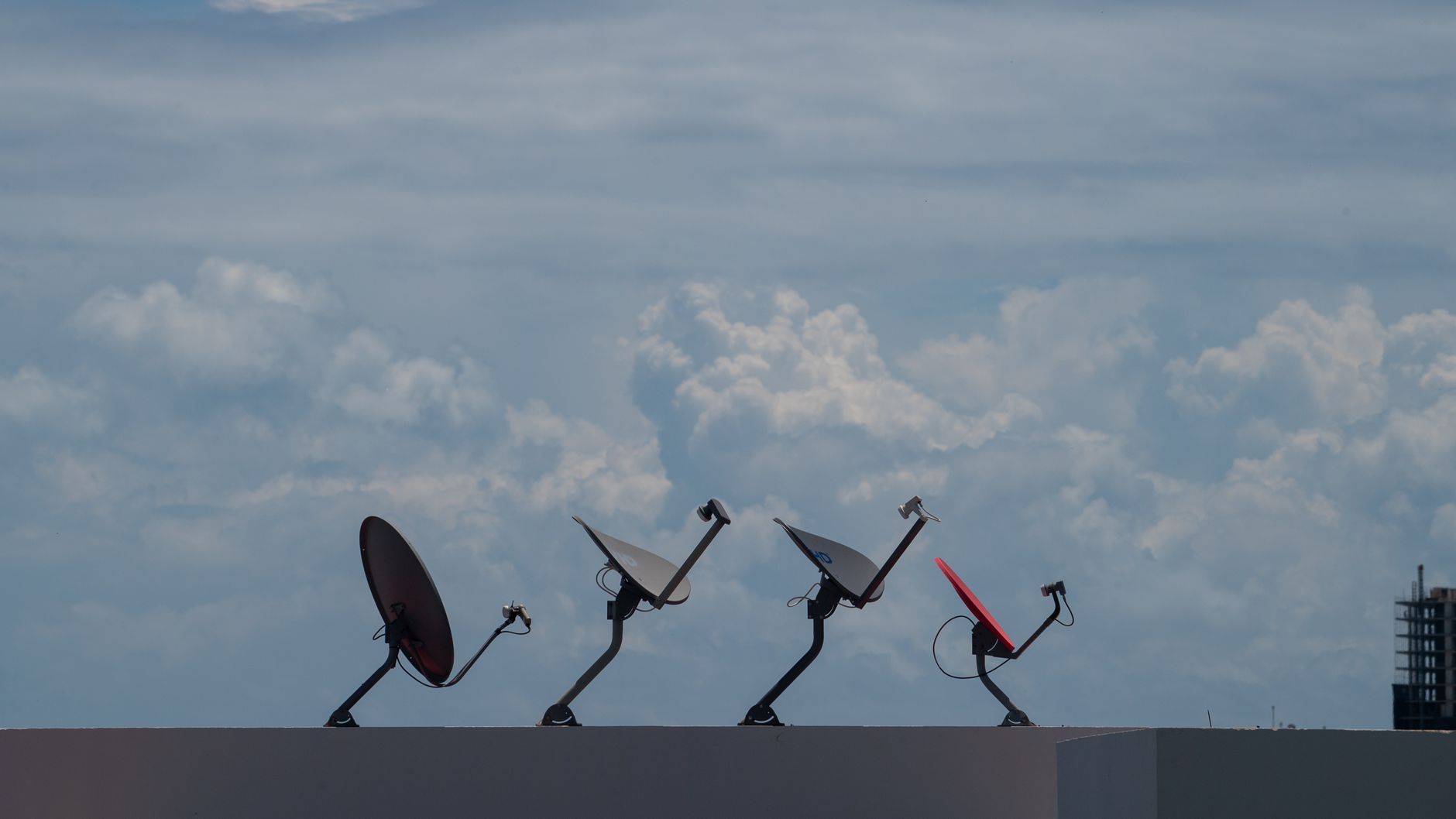
Amazon internet satellites have faced a significant setback following the failure of the Vulcan rocket mid-flight, resulting in the loss of 40 satellites. This incident poses challenges for Amazon’s ambitions in the space industry.
Impact on Amazon’s Satellite Plans
The recent failure of the Vulcan rocket has dealt a significant blow to Amazon’s ambitions in the satellite internet sector. With the loss of 40 internet satellites, the company faces a major setback in its efforts to compete with established services like SpaceX’s Starlink. This incident raises concerns about the timelines and viability of Amazon’s satellite plans, which are crucial for expanding broadband access in underserved regions.
Industry experts suggest that the failure could delay Amazon’s project for several months, potentially impacting its ability to deliver services as planned. The company’s Project Kuiper aims to launch a constellation of satellites that would provide high-speed internet globally. However, with this recent setback, Amazon may need to reassess its launch schedule and production timelines.
Investors and stakeholders are closely monitoring the situation, as the success of Amazon internet satellites is vital for the company’s growth in the competitive telecommunications landscape. The incident emphasizes the risks associated with satellite launches, where even a single failure can significantly disrupt plans and investments.
Moving forward, Amazon will likely increase its focus on engineering and reliability improvements to prevent similar issues. The company’s commitment to its satellite internet project remains strong, but the road ahead may be more challenging than anticipated.
Details of the Vulcan Rocket Failure
The recent failure of the Vulcan rocket has sent shockwaves through Amazon’s ambitious plans for its internet satellites, which aim to provide global broadband coverage. The launch, intended to deploy a fleet of satellites as part of Amazon’s Project Kuiper, ended in disaster when the rocket malfunctioned mid-flight.
Details surrounding the incident reveal a series of technical failures that prevented the rocket from completing its mission. Key components of the launch vehicle experienced issues during its ascent, leading to the decision to abort the mission. Unfortunately, this resulted in the loss of 40 internet satellites that were set to enhance Amazon’s connectivity offerings.
- Rocket Malfunction: The Vulcan rocket reportedly encountered problems shortly after liftoff, which caused a critical failure before it could reach orbit.
- Technical Issues: Engineers are currently investigating the specific technical failures that led to the rocket’s inability to perform as expected.
- Impact on Deployment: This setback significantly delays Amazon’s timeline for launching its internet satellites, impacting their goal of competing with established players like Starlink.
With this incident, Amazon’s plans for its internet satellites face a challenging road ahead, raising questions about the future of Project Kuiper and its potential to reshape the satellite internet landscape.
Comparing Amazon and Starlink
As Amazon continues to face significant challenges in its quest to establish a robust satellite internet service, a comparison with SpaceX’s Starlink provides insight into the competitive landscape of satellite internet providers. Both companies aim to deliver high-speed internet access globally, particularly to underserved regions, but their approaches and progress differ markedly.
Investment and Scale: Amazon, through its Project Kuiper, plans to deploy a constellation of Amazon internet satellites to provide broadband services. The company has committed over $10 billion to this initiative, highlighting its ambition to compete seriously with Starlink, which has already launched thousands of satellites into low Earth orbit.
Launch Reliability: Starlink has demonstrated a more consistent track record in launching satellites, with multiple successful missions that have helped it rapidly expand its service. In contrast, Amazon’s recent setbacks, including the Vulcan rocket failure, have raised questions about its launch capabilities and overall strategy.
Market Penetration: Starlink has already secured a substantial customer base, offering services in numerous countries. Amazon, however, is still in the early stages of its rollout, and the recent loss of 40 satellites could delay its timeline significantly, potentially allowing Starlink to widen its lead in the market.
As both companies battle for dominance in the satellite internet arena, the outcome remains uncertain, particularly for Amazon’s ambitious plans.
Future of Internet Satellites in Space
The future of internet satellites in space is now more uncertain than ever, particularly for Amazon internet satellites. Following the catastrophic failure of the Vulcan rocket, the company faces significant challenges in its ambitious plans to deliver global internet coverage through its Project Kuiper. This incident not only resulted in the loss of 40 satellites but also raised questions about the reliability of launch vehicles designed to deploy next-generation satellite constellations.
The competition in the satellite internet market is fierce, with established players like Starlink already providing services to millions. As Amazon navigates the aftermath of this setback, several factors will influence its trajectory:
- Launch Reliability: The company will need to reassess its partnerships and possibly seek alternatives to ensure the successful deployment of its remaining satellites.
- Technological Advancements: Continued investment in technology and innovation will be crucial to regain momentum and improve the capabilities of its satellites.
- Regulatory Challenges: Amazon must also contend with regulatory hurdles that could impact its timeline for launching additional satellites.
- Market Dynamics: The competitive landscape will evolve as other companies advance their own satellite programs, making timely launches more critical.
These elements will play a significant role in shaping the future of Amazon’s internet satellites and their potential impact on global connectivity.
The recent rocket failure has raised concerns about the future of Amazon internet satellites and their planned deployment. As the company works to address the setback, the timeline for launching Amazon internet satellites remains uncertain.
Photo by Margo Evardson on Pexels
Sources
You might also like
SpaceX Mission Success: The Clear Path to Lower Launch Costs · Xiaomi 18 Pro Max battery: Is it the worst decision ever? · Is AI-driven optical engineering the Best Proven Solution?