




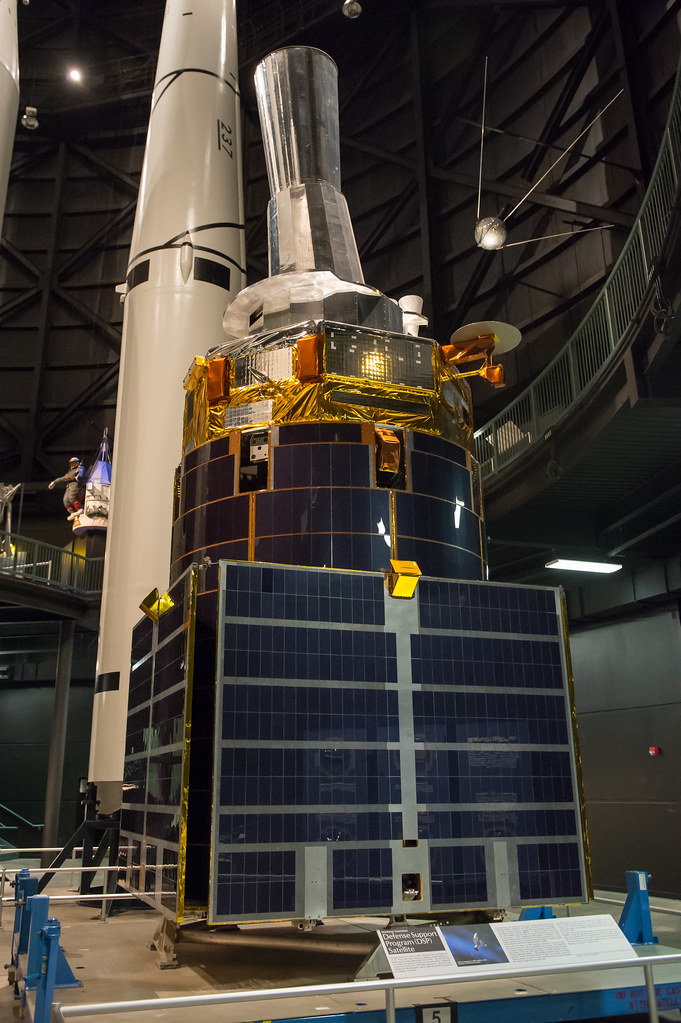
satellite air threat detection is a groundbreaking advancement in aerospace technology. Rheinmetall has launched its first satellite designed specifically to identify and respond to air threats in advance, enhancing national security measures significantly.
What is Satellite Air Threat Detection?
Satellite air threat detection is an innovative approach to identifying and monitoring potential aerial dangers before they reach critical targets. This technology utilizes advanced satellite systems equipped with sophisticated sensors to scan the skies for various threats, including drones, missiles, and other aircraft that may pose a risk to national security.
One of the primary advantages of satellite air threat detection is its ability to provide real-time data over vast geographical areas. Unlike traditional radar systems, which can be limited by range and terrain, satellites can offer a comprehensive view of the airspace, allowing for quicker and more accurate assessments of potential threats.
Furthermore, the capability to detect threats from orbit means that military and defense organizations can respond proactively rather than reactively. This proactive stance is crucial in today’s fast-paced security landscape, where the speed of detection can significantly impact response effectiveness.
With the recent launch of advanced satellites, such as those by Rheinmetall, the focus on satellite air threat detection is intensifying. These developments signal a shift towards more integrated and technologically sophisticated defense strategies aimed at safeguarding airspace against emerging threats.
How Does Rheinmetall’s Satellite Work?
Rheinmetall’s innovative satellite air threat detection system operates through a complex integration of advanced technologies. The satellite is equipped with a range of sensors that monitor the airspace for potential threats, enabling early warning capabilities.
Key features of Rheinmetall’s satellite include:
- High-resolution imaging: The satellite utilizes cutting-edge imaging technology to capture detailed visuals of aircraft and other airborne objects.
- Real-time data processing: With onboard processing capabilities, the satellite can analyze data quickly, ensuring timely alerts are sent to ground control units.
- Wide-area coverage: The satellite’s orbit allows it to monitor vast regions, significantly enhancing situational awareness for military and civilian operations.
- Integration with existing defense systems: The satellite is designed to work seamlessly with other defense technologies, providing a comprehensive approach to air threat detection.
This satellite represents a significant advancement in the field of air defense, giving nations the ability to detect potential threats before they materialize. With its emphasis on proactive measures, Rheinmetall’s satellite air threat detection could potentially redefine how countries approach national security.
Benefits of Early Air Threat Detection
Early detection of air threats is crucial for ensuring national security and protecting civilian populations. One of the most significant benefits of satellite air threat detection is its ability to provide a comprehensive and real-time overview of airspace. This capability allows authorities to identify potential threats long before they reach critical targets.
Another advantage is the enhanced situational awareness that satellite technology offers. By monitoring vast areas from space, satellites can detect unusual activities, such as unauthorized aircraft movements or missile launches, which might go unnoticed by traditional ground-based systems.
The integration of satellite air threat detection into existing defense frameworks also improves response times. With advanced warning, military and defense agencies can deploy resources more effectively, ensuring that they are prepared to counter any impending threats.
Furthermore, this technology can significantly reduce the risk of false alarms. The precision and reliability of satellite data help mitigate unnecessary military mobilizations, saving time and resources.
In summary, the benefits of early air threat detection through satellite technology include improved situational awareness, quicker response capabilities, and reduced false alarms, making it a vital component of modern defense strategies.
Challenges in Satellite Technology
The advancement of satellite air threat detection technology presents significant opportunities, but it also faces several challenges that must be addressed. One major issue is the cost of deployment. Launching satellites into orbit requires substantial financial investment, which can limit accessibility for many nations and organizations. Additionally, the development of advanced satellite systems demands extensive research and engineering resources.
Another challenge is the technology limitations. Current satellites may struggle with adverse weather conditions, which can hinder their ability to reliably detect aerial threats. Furthermore, the vastness of space means that even slight inaccuracies in satellite positioning can lead to significant detection errors.
Data processing is also a critical hurdle. The sheer volume of information generated by satellite air threat detection systems can overwhelm existing data infrastructure, necessitating new algorithms and processing capabilities to ensure timely and accurate threat assessments.
Lastly, geopolitical considerations can complicate satellite operations. The positioning of satellites in orbit might lead to territorial disputes or conflicts over airspace, affecting international collaboration on air threat detection.
Despite these challenges, the potential for satellite air threat detection to enhance national security remains a compelling reason to invest in overcoming these obstacles.
The Future of Aerospace Defense
The future of aerospace defense is rapidly evolving, with advancements in technology playing a crucial role. As nations seek to enhance their air security, satellite air threat detection emerges as a pivotal component in this transformation. Unlike traditional ground-based systems, satellites offer a wide area of coverage, enabling earlier identification of potential aerial threats.
Experts believe that integrating satellite capabilities into existing defense frameworks could significantly improve response times. By providing real-time data on incoming threats, military forces can better strategize and deploy their resources effectively. Furthermore, the ability to monitor vast regions with minimal blind spots presents a strategic advantage over conventional methods.
However, the future is not without its challenges. As the reliance on satellite technology grows, so does the need for securing these systems against cyber threats and interference. Countries must also consider the implications of increased satellite deployment, including space debris and regulatory concerns.
Ultimately, while satellite air threat detection presents a promising solution, it is essential for defense agencies to address these challenges proactively. This balanced approach will be vital in determining whether satellite systems can truly become the cornerstone of modern aerospace defense.
Comparing Satellite Systems
When considering the effectiveness of satellite air threat detection, it is essential to compare various satellite systems currently in use. Different countries have developed unique technologies aimed at enhancing air security.
- United States Systems: The U.S. utilizes a combination of ground-based radar and satellite systems for comprehensive air threat detection. Their integration allows for real-time data sharing across military branches.
- European Initiatives: European nations are increasingly investing in satellite technologies to bolster their defense capabilities. Collaborative projects, such as those led by the European Space Agency, aim to enhance air situation awareness.
- Emerging Technologies: Several startups and private firms are entering the satellite air threat detection market, offering innovative solutions that leverage advanced algorithms and AI to predict potential threats.
Each system brings its strengths and weaknesses, but the consensus is that integrating satellite technology with existing defense infrastructures can significantly improve response times and accuracy in detecting aerial threats. As advancements continue, the potential for satellite air threat detection to become a cornerstone of national defense strategies looks promising.
Rheinmetall’s Role in Space Security
Rheinmetall has emerged as a key player in the realm of space security, particularly with its advancements in satellite air threat detection. By launching its first satellite specifically designed for early detection of aerial threats, the company aims to enhance national and global security measures.
The satellite employs cutting-edge technology to monitor potential air threats, providing critical data that can be used to inform defense strategies. With the ability to detect various airborne objects, the satellite serves as a vital asset for military and civilian agencies alike.
Rheinmetall’s innovative approach to integrating satellite technology into air defense systems represents a significant step forward. Key features of their satellite include:
- Real-time data transmission: Allows for immediate assessment of potential threats.
- Advanced imaging capabilities: Enhances the accuracy of threat identification.
- Global coverage: Ensures comprehensive monitoring of airspace.
As the landscape of aerospace defense continues to evolve, Rheinmetall’s commitment to developing robust satellite systems positions it as a leader in the field of air threat detection. This innovation not only improves response times but also strengthens overall defense infrastructure.
By mark6mauno via Openverse