




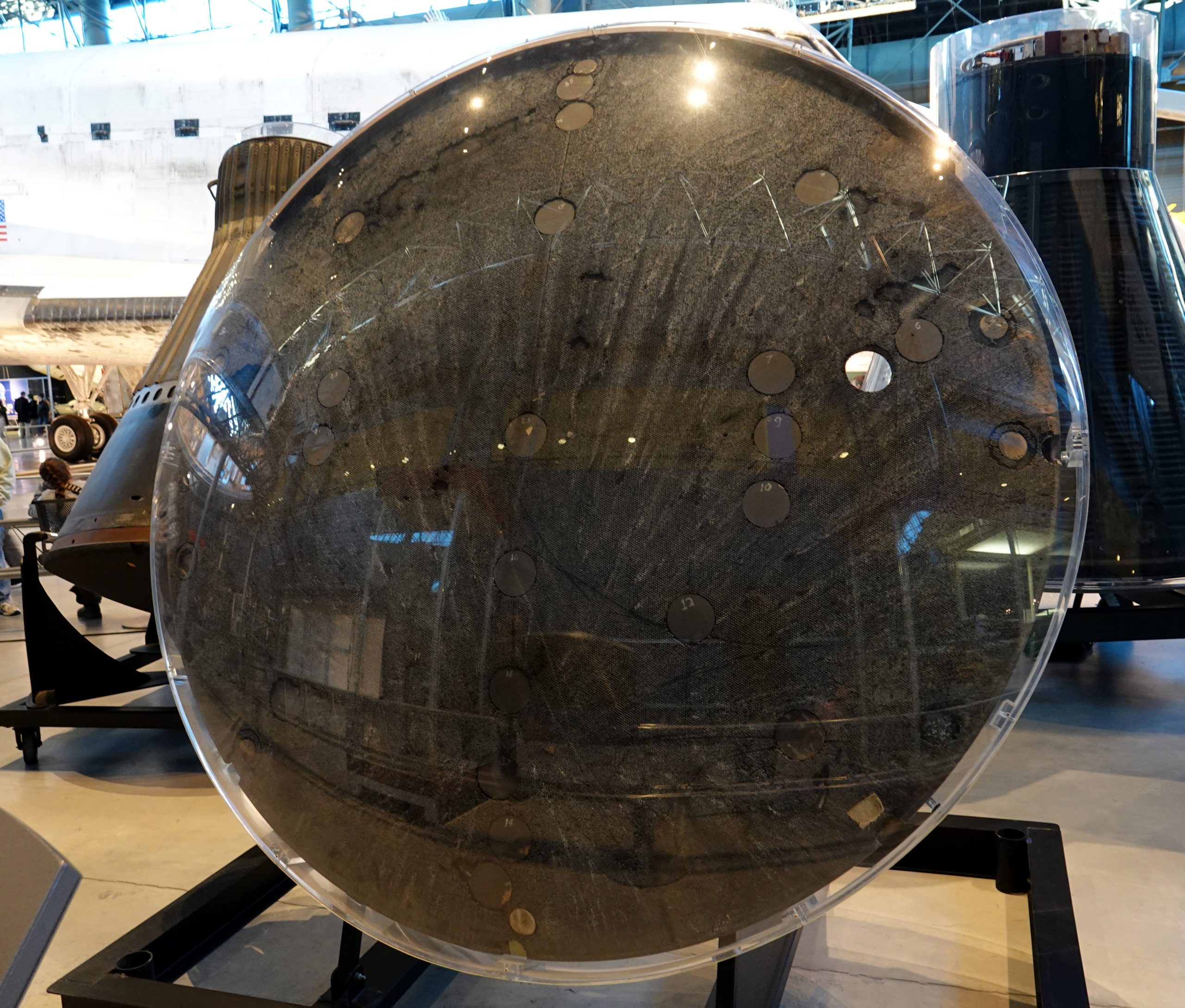
spacecraft heat shields are crucial for protecting vehicles during intense atmospheric re-entry. This article explores their performance under extreme heat conditions, providing real-time insights into their effectiveness.
Understanding Spacecraft Heat Shields
Spacecraft heat shields are critical components designed to protect vehicles from the intense heat generated during atmospheric re-entry. These shields are engineered to withstand extreme temperatures that can exceed 3,000 degrees Fahrenheit. Their primary function is to absorb and dissipate this heat, ensuring the safety of both the spacecraft and its occupants.
Understanding the materials and technologies used in spacecraft heat shields is essential for advancements in space exploration. Common materials include:
- Ablative materials: These materials burn away during re-entry, carrying heat with them and forming a protective barrier.
- Insulating ceramics: These provide a high degree of thermal resistance and are often used in combination with other materials.
- Carbon composites: Known for their lightweight and high-temperature resistance, these materials are increasingly used in modern shield designs.
Recent studies have utilized real-time imaging to observe the behaviors of these heat shields under extreme conditions. This research enables engineers to analyze how different materials react to heat and stress, leading to improved designs for future missions.
As space agencies continue to push the boundaries of exploration, the evolution of spacecraft heat shields remains a focal point in ensuring mission success and crew safety.
How Heat Shields Protect Spacecraft
Spacecraft heat shields play a crucial role in ensuring the safety and functionality of vehicles venturing into the harsh environment of space. These specialized structures are designed to withstand extreme temperatures generated during re-entry into the Earth’s atmosphere, where friction from the air can reach thousands of degrees. The effectiveness of heat shields is vital for protecting sensitive equipment and crew members aboard the spacecraft.
One of the primary materials used in manufacturing heat shields is ablative material, which gradually erodes away during the intense heat of re-entry. This process allows the shield to dissipate heat while maintaining a protective barrier for the spacecraft’s interior. Other materials, such as ceramics and carbon composites, are also utilized to enhance durability and thermal resistance.
Continuous research and development have led to innovative designs and technologies that improve the performance of spacecraft heat shields. Some of the advancements include:
- Active cooling systems, which help regulate temperatures during critical phases of flight.
- Advanced simulation techniques that predict heat shield behavior under various conditions.
- Real-time monitoring systems that provide insight into the thermal performance during missions.
These enhancements not only increase the safety of spacecraft but also expand the possibilities for future space exploration missions.
Real-Time Monitoring of Heat Shields
Recent advancements in technology have enabled real-time monitoring of spacecraft heat shields, providing unprecedented insights into their performance during extreme heat conditions. This innovative approach allows engineers and scientists to gather crucial data while the spacecraft is in operation, enhancing our understanding of how these vital components withstand the rigors of space travel.
By employing advanced sensors and imaging techniques, researchers can now observe the thermal behavior of heat shields in real time. This data collection is essential for:
- Performance Assessment: Continuous monitoring helps evaluate the effectiveness of heat shields under varying temperatures and conditions.
- Material Integrity: Real-time insights reveal any potential degradation of materials used in heat shields, ensuring their reliability.
- Design Improvements: Data obtained can guide engineers in refining heat shield designs for future missions, enhancing their resilience against extreme heat.
As missions to distant planets and deep space continue to evolve, the ability to monitor spacecraft heat shields in real time is becoming increasingly vital. This capability not only improves safety but also contributes to the overall success of missions, paving the way for deeper exploration and more ambitious endeavors in our solar system and beyond. The integration of real-time monitoring systems represents a significant leap forward in the quest to understand and optimize spacecraft heat shields for extreme environmental conditions.
The Science Behind Thermal Protection
The effectiveness of spacecraft heat shields lies in the intricate science of thermal protection systems. These systems are designed to withstand extreme temperatures encountered during re-entry into Earth’s atmosphere or during planetary exploration. The core principle involves the use of materials that can absorb, dissipate, or reflect heat, ensuring that the spacecraft’s internal components remain safe and operational.
One of the most critical aspects of thermal protection is the choice of materials. Heat shields are often constructed from a variety of substances, each specifically selected for its unique properties. Common materials include:
- Carbon-Carbon Composites: Known for their high heat resistance, these materials can endure temperatures exceeding 3,000 degrees Fahrenheit.
- Ablative Materials: These materials erode or burn away during re-entry, carrying heat away from the spacecraft and preventing damage.
- Insulating Ceramics: Used to reflect and insulate against heat, these ceramics offer durability and protection against thermal shock.
Furthermore, advanced testing methods, including real-time monitoring, have allowed scientists to study the behavior of spacecraft heat shields under extreme conditions. By analyzing thermal response and material integrity, researchers can improve existing designs. The continual evolution of spacecraft heat shields is essential for ensuring the safety and success of future missions, proving their significance in the realm of space exploration.
By Sanjay Acharya via Openverse
Where this came from
Related reading
Castlevania gaming impact: Why it’s the best change ever? · Oppo X10 Series: Is It the Best Smartphone Launch Yet? · Northeast Seva Innovation Challenge: Proven Solutions for 2026