



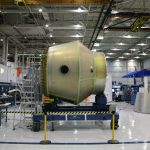






ISRO human spaceflight test is one of the most important milestones for India’s space program. This latest separation test highlights the agency’s commitment to advancing human space exploration.
Overview of ISRO’s Latest Test
The Indian Space Research Organisation (ISRO) has successfully conducted a critical test associated with its ambitious human spaceflight program. This latest test, often referred to as the ISRO human spaceflight test, is a significant milestone that demonstrates the organisation’s capabilities in ensuring the safety and reliability of space missions.
During this separation test, ISRO aimed to validate the performance of various systems that will be crucial during future crewed missions. The test involved the separation of the crew module from the launch vehicle, simulating the conditions that will be experienced during an actual human spaceflight.
The outcomes of this test have been met with enthusiasm, as they lay the groundwork for the upcoming Gaganyaan mission, India’s first manned spaceflight endeavor. The successful execution of such tests not only boosts the confidence of the scientific community but also inspires the nation as a whole.
Key aspects of the test included:
- Safety protocols: Ensuring the crew module can safely detach in emergency scenarios.
- Performance metrics: Gathering data on various systems during the separation phase.
- Future implications: Providing insights for subsequent missions and enhancing ISRO’s technical expertise.
This ISRO human spaceflight test marks a pivotal moment in India’s space exploration journey, underscoring the country’s growing advancements in aerospace technology.
Importance of Human Spaceflight
The importance of human spaceflight cannot be overstated, especially in the context of India’s ambitious space endeavors. The recent ISRO human spaceflight test marks a significant milestone not only for the Indian Space Research Organisation but also for the country as a whole.
Human spaceflight represents a leap in technological advancement, showcasing India’s growing capabilities in space exploration. This endeavor is crucial for several reasons:
- Scientific Research: Human spaceflight allows for in-depth scientific studies in microgravity, which can lead to breakthroughs in various fields, including medicine and materials science.
- Technological Innovation: The development of technology required for human space travel can spur innovations that benefit other sectors, enhancing India’s technological landscape.
- Nation Building: Successful human space missions can foster a sense of national pride and unity, inspiring future generations to pursue careers in STEM (Science, Technology, Engineering, and Mathematics).
- International Collaboration: Engaging in human spaceflight opens doors for collaboration with other nations, strengthening India’s position in the global space community.
Overall, the ISRO human spaceflight test is a testament to India’s commitment to advancing its space program and exploring the possibilities of human exploration beyond Earth. As the nation looks towards the future, this milestone paves the way for more ambitious projects in space exploration.
Technological Innovations in the Test
The ISRO human spaceflight test has showcased several technological innovations that are critical for the success of India’s ambitious mission to send humans into space. These advancements not only enhance safety but also improve the overall efficiency of space missions.
One of the standout innovations is the development of a new crew module designed to withstand the harsh conditions of space. This module incorporates state-of-the-art thermal protection systems, ensuring that astronauts remain safe during re-entry. The integration of advanced materials has significantly reduced the overall weight, making the module more efficient.
Additionally, the test included the implementation of an autonomous flight safety system. This system is equipped with real-time monitoring capabilities, allowing for immediate adjustments and interventions in case of anomalies. Such a feature is crucial for ensuring the safety of the crew during the mission.
Another key technological breakthrough is the enhanced launch vehicle systems, which have been modified to support human spaceflight. These systems are designed to provide higher thrust and improved reliability, which are essential for lifting heavy payloads into orbit.
- Advanced Crew Module: Designed for safety during re-entry.
- Autonomous Flight Safety System: Monitors and adjusts in real-time.
- Modified Launch Vehicle Systems: Higher thrust and reliability.
These innovations mark a significant step forward in ISRO’s ongoing efforts to achieve a successful human spaceflight test.
Key Outcomes from the Separation Test
The recent separation test conducted by the Indian Space Research Organisation (ISRO) has yielded several key outcomes that demonstrate the advancement of India’s space exploration capabilities. This test is a critical component of the ISRO human spaceflight test program, aimed at ensuring the safety and reliability of crewed missions to space.
Among the most significant outcomes are:
- Successful Separation: The test validated the spacecraft’s ability to safely separate from the launch vehicle during the ascent phase, a crucial requirement for the success of future human spaceflight missions.
- Enhanced Safety Protocols: The data collected during this test will contribute to improving safety protocols, ensuring that astronauts can be safely rescued in the event of an anomaly.
- Data Analysis: The performance metrics gathered during the separation will aid engineers in refining the design and operational parameters of the spacecraft.
- Increased Confidence: The successful execution of the test boosts the confidence of ISRO and the nation in its ability to undertake complex human spaceflight missions, paving the way for India’s ambitious goals in space exploration.
These outcomes are not only indicative of technological progress but also reflect ISRO’s commitment to achieving its vision of sending Indian astronauts to space. As the program advances, each milestone will further solidify India’s position in the global space community.
Future of India’s Space Missions
The recent ISRO human spaceflight test marks a significant milestone for India’s ambitious space program, setting the stage for future missions that promise to advance scientific understanding and international collaboration.
As ISRO continues to push the boundaries of space exploration, several upcoming initiatives aim to enhance India’s capabilities. The focus will be on:
- Development of Advanced Technologies: Innovations in rocket propulsion, life support systems, and re-entry technologies will be prioritized to ensure the safety and efficiency of future manned missions.
- International Collaboration: Collaborations with global space agencies will be vital. Engaging with partners can foster knowledge sharing and empower India to leverage best practices in human spaceflight.
- Public Engagement: Increasing public interest and support for space missions will be essential. Educational programs and outreach initiatives can inspire the next generation of scientists and engineers.
- Commercial Opportunities: The commercialization of space travel presents a lucrative avenue. ISRO aims to explore partnerships with private entities to expand India’s presence in the global space economy.
The ISRO human spaceflight test not only demonstrates India’s technical expertise but also lays the groundwork for future explorations beyond Earth. With a commitment to innovation and collaboration, ISRO is poised to make significant contributions to the global space community.
Challenges Faced by ISRO
The Indian Space Research Organisation (ISRO) has embarked on a significant journey with its human spaceflight program, yet it faces several challenges that must be navigated to ensure success. The recent ISRO human spaceflight test highlighted some of these hurdles, shedding light on the complexities involved in sending humans into space.
- Technical Challenges: Developing reliable systems to support human life in space is paramount. This includes life support systems, navigation technology, and safe spacecraft design.
- Safety Protocols: Ensuring the safety of astronauts is non-negotiable. ISRO must establish robust safety measures to handle emergencies and potential failures during the mission.
- Public and Government Expectations: As a national pride project, the pressure from the public and government to deliver successful results adds another layer of complexity. Managing these expectations while executing a technically demanding program is crucial.
- Funding and Resources: Adequate funding and resource allocation are essential for the development and testing phases. ISRO must secure sustained financial support to continue its ambitious human spaceflight goals.
- International Collaboration: Partnering with other nations and organizations can provide additional expertise and resources, but navigating these collaborations can also pose challenges.
Despite these challenges, ISRO remains committed to overcoming obstacles in its pursuit of human spaceflight, setting the stage for future advancements in space exploration.
Conclusion and Next Steps
In conclusion, the recent ISRO human spaceflight test marks a significant achievement for India’s space exploration ambitions. This successful milestone not only showcases ISRO’s commitment to advancing human spaceflight capabilities but also emphasizes the importance of rigorous testing in ensuring the safety and reliability of future missions.
The outcomes of this test will serve as a foundation for subsequent phases of the Gaganyaan mission, which aims to send Indian astronauts into space. With meticulous planning and execution, ISRO has demonstrated that it is equipped to handle the complexities associated with human space travel.
Looking ahead, several next steps are crucial for ISRO. These include:
- Enhancing safety protocols: Ensuring that all systems are foolproof to protect the lives of astronauts.
- Conducting further tests: Additional trials are necessary to validate the performance of various spacecraft components.
- Training astronauts: A comprehensive training program for selected astronauts will be essential to prepare them for the rigors of space travel.
- Collaborating with international space agencies: Partnerships can provide additional expertise and resources.
As ISRO continues to push the boundaries of space exploration, the success of the ISRO human spaceflight test serves as a beacon of hope and inspiration for aspiring space enthusiasts and the scientific community alike.
The success of the ISRO human spaceflight test marks a significant advancement in India’s capabilities in space exploration. With this milestone, the ISRO human spaceflight test paves the way for future missions aimed at sending astronauts beyond Earth’s orbit.
Photo by T Leish on Pexels
References
Galaxy S26 FE launch: Best date for Samsung fans to know · iPhone 18 Pro vs iPhone Duo: Which is the Best Choice? · Gaganyaan module separation system: Proven success for ISRO