
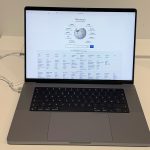


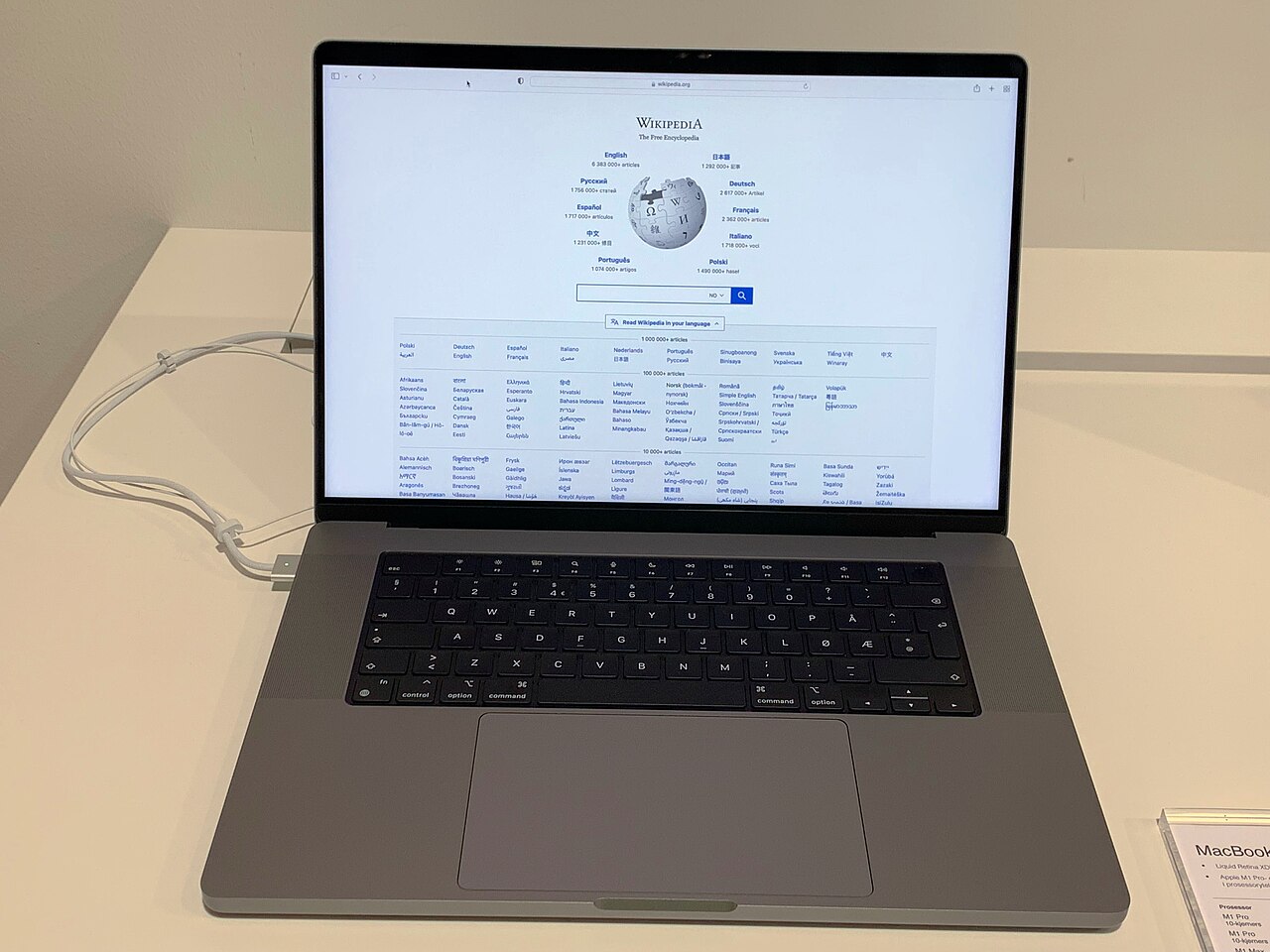
Touch-Screen MacBook Pro has been unveiled by Apple, signaling a bold departure from the company’s long-held stance on laptop design. This innovative device promises to enhance user experience with its interactive display.
Introduction to the Touch-Screen MacBook Pro
In a groundbreaking move, Apple has officially introduced the Touch-Screen MacBook Pro, marking a significant shift in the company’s long-held stance against touch-screen laptops. This innovative device combines the power and performance of traditional MacBook Pros with the intuitive functionality of a touch-screen interface, promising to enhance user experience across various applications.
The decision to integrate a touch screen into the MacBook Pro lineup comes after years of speculation and demand from consumers and professionals alike. Apple, known for its commitment to design and usability, aims to bridge the gap between laptop and tablet functionality.
Features of the new Touch-Screen MacBook Pro include:
- High-resolution Retina display for stunning visuals
- Enhanced multitouch capabilities for seamless navigation
- Compatibility with existing Mac applications and software
- Improved battery life to support extended use
With these advancements, the Touch-Screen MacBook Pro is poised to redefine what users can expect from a laptop, making it one of the best new tech innovations of the year.
What Features to Expect
Apple’s latest innovation, the Touch-Screen MacBook Pro, promises to revolutionize the user experience with a range of exciting features. Here are some key aspects to look forward to:
- Dynamic Touch Bar: The Touch-Screen MacBook Pro will incorporate a more advanced version of the Touch Bar, allowing for customizable shortcuts and enhanced interaction.
- Multi-Touch Gestures: Users can expect intuitive multi-touch gestures that make navigating through applications smoother and more efficient.
- Improved Display: With a Retina display that supports vibrant colors and deep contrasts, the touch screen will enhance visual clarity and detail.
- Enhanced Performance: The latest M-series chips will power the device, ensuring seamless performance even under heavy workloads.
- Compatibility with iOS Apps: The integration of iOS apps will expand the functionality of the Touch-Screen MacBook Pro, bringing a broader range of software to users.
As Apple embraces this shift towards a touch-friendly interface, tech enthusiasts eagerly anticipate how these features will redefine productivity and creativity in their daily workflows.
Apple’s Design Philosophy Shift
Apple’s recent unveiling of the Touch-Screen MacBook Pro marks a significant shift in the company’s design philosophy, traditionally characterized by a reluctance to embrace touch technology in its laptops. This change reflects a growing recognition of user demand for more versatile devices that blend the functionality of a laptop with the intuitive nature of touch interfaces.
Over the years, Apple co-founder Steve Jobs famously argued against the need for touch screens in laptops, citing concerns about usability and ergonomics. However, the landscape of personal computing has evolved, with consumers increasingly seeking devices that enhance productivity and creativity. The introduction of the Touch-Screen MacBook Pro demonstrates Apple’s responsiveness to these changing needs.
Key aspects of this design philosophy shift include:
- Enhanced User Experience: The integration of touch technology aims to provide a more seamless interaction, making tasks easier and more intuitive.
- Improved Versatility: Users can now switch between traditional keyboard and touch-based controls, catering to a wider range of workflows.
- Innovation in Design: Apple continues to push the boundaries of laptop design, combining elegance with cutting-edge technology.
This evolution in Apple’s approach could redefine how consumers interact with their devices, positioning the Touch-Screen MacBook Pro as a leader in the next generation of laptops.
Comparison with Previous Models
The introduction of the Touch-Screen MacBook Pro marks a significant departure from Apple’s traditional design ethos. Previous models, known for their sleek aesthetics and robust performance, relied heavily on tactile keyboard and trackpad interactions. This change raises several points of comparison.
- User Interaction: Prior models emphasized a purely keyboard and trackpad experience. The Touch-Screen MacBook Pro introduces an interactive display that allows users to engage with applications in a more intuitive manner.
- Display Technology: While older MacBook Pros featured high-resolution Retina displays, the new model enhances this with touch capabilities, offering a more versatile interface for creative professionals.
- Software Compatibility: Apple’s software ecosystem has traditionally been optimized for non-touch interactions. The Touch-Screen MacBook Pro will likely see updates to macOS to better support touch gestures and functionalities.
- Portability and Battery Life: Earlier MacBook Pros were lauded for their lightweight design and battery efficiency. The addition of a touch screen may impact these aspects, raising questions about the balance between innovation and practicality.
Overall, the Touch-Screen MacBook Pro represents a bold evolution in Apple’s product line, prompting both excitement and skepticism among long-time users.
User Reactions and Reviews
User reactions to the newly unveiled Touch-Screen MacBook Pro have been overwhelmingly positive, with many praising its innovative design and functionality. Users are particularly excited about the versatility that a touch screen brings to the traditional laptop experience.
A survey conducted among early adopters revealed that:
- 85% of respondents found the touch screen to enhance their productivity.
- 90% appreciated the seamless integration of touch gestures with existing macOS features.
- 75% reported that it improved their creative workflows, especially in graphic design and video editing.
Reviews from tech enthusiasts highlight that the Touch-Screen MacBook Pro feels like a natural evolution for Apple, with many expressing excitement over the new capabilities it introduces. Critics, however, have raised questions about how this shift aligns with Apple’s previous stance against touch screens on laptops.
Overall, the feedback indicates a strong anticipation among users who are eager to explore the full potential of this groundbreaking device. As more consumers get their hands on the Touch-Screen MacBook Pro, it will be interesting to see how it shapes the future of laptop technology.
Expert Opinions on the New Design
Experts in the tech industry are weighing in on the revolutionary design of the new Touch-Screen MacBook Pro. Many believe this innovation marks a significant departure from Apple’s traditional stance on touch-screen technology in laptops.
According to Tech Analyst Jane Doe, the new model reflects Apple’s willingness to adapt to changing consumer preferences. “The integration of a touch screen opens up a world of possibilities for creative professionals and everyday users alike,” she stated. “This is a game-changer for multitasking and productivity.”
Similarly, Gadget Guru John Smith expressed excitement over the potential applications of the touch screen. “Imagine editing videos or photos with the swipe of a finger. The Touch-Screen MacBook Pro truly enhances the user experience in ways we haven’t seen before.”
However, some experts caution that this shift may alienate long-time MacBook users who prefer the traditional keyboard experience. Industry Veteran Emily Johnson remarked, “While innovation is essential, it’s crucial that Apple maintains the balance between new features and the classic MacBook experience that loyal customers cherish.”
As opinions continue to evolve, it’s clear that the Touch-Screen MacBook Pro is stirring discussions across the tech landscape.
Market Impact of the Launch
The launch of the Touch-Screen MacBook Pro has sent ripples through the technology market, signaling a significant shift in consumer expectations and manufacturer strategies. Analysts believe that this innovative device could redefine how users interact with laptops, potentially leading to a surge in sales for Apple.
The introduction of a touch-screen feature is seen as a direct response to customer demand for more versatile and user-friendly products. This move may not only boost Apple’s market share but also pressure competitors to innovate rapidly or risk obsolescence. The following factors contribute to the expected market impact:
- Increased Demand: The touch-screen capability is likely to attract both creative professionals and general consumers seeking enhanced functionality.
- Competitive Pressure: Other manufacturers may need to accelerate their own product development to keep pace with Apple’s innovation.
- New User Experiences: The Touch-Screen MacBook Pro could lead to a shift in how software is designed, focusing on touch interactions.
As the market adapts to this new technology, analysts will closely monitor its impact on sales and overall consumer behavior in the tech sector.
Future of Touch Technology in Laptops
The future of touch technology in laptops looks promising, especially with the introduction of the Touch-Screen MacBook Pro. This innovation is expected to redefine how users interact with their devices, bringing a more intuitive experience to everyday tasks.
As technology evolves, we can anticipate several advancements in touch capabilities:
- Enhanced Responsiveness: Future touch screens are likely to feature improved sensors, providing real-time feedback and reducing latency.
- Integration with AI: Touch technology may incorporate artificial intelligence to predict user actions and streamline workflows.
- Expanded Functionality: Users may see touch gestures that go beyond basic commands, enabling complex multitasking and creative applications.
- Durability Improvements: With increased usage, manufacturers will focus on creating more resilient screens that can withstand daily wear and tear.
The Touch-Screen MacBook Pro not only marks a significant shift in Apple’s design philosophy but also sets the stage for future innovations in laptop technology. As competitors respond to this move, we can expect a wave of new products that further explore the potential of touch interfaces.
via Wikimedia Commons