



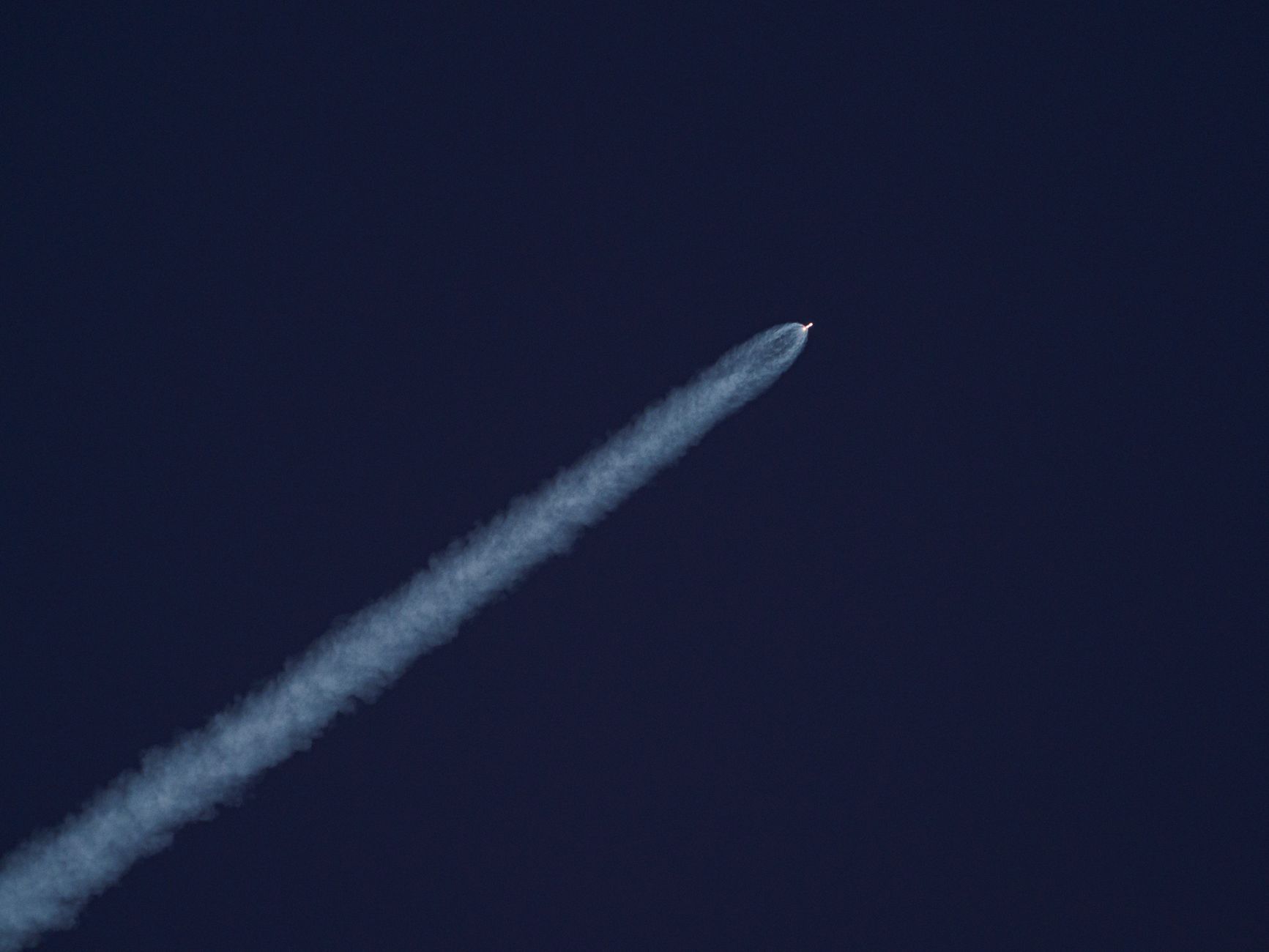
ISRO GSLV F17 launch has successfully placed the imaging satellite EOS-05 into orbit, showcasing India’s growing capabilities in space technology.
What is the GSLV F17 mission?
The GSLV F17 mission, launched by ISRO, marks a significant milestone in India’s space exploration efforts. This mission is primarily geared towards deploying the EOS-05 satellite, designed for advanced imaging capabilities. The satellite aims to enhance various applications including agriculture, forestry, and disaster management.
The GSLV, or Geosynchronous Satellite Launch Vehicle, is crucial for launching heavier payloads into geostationary orbits. With a lifting capacity of approximately 2,500 kg, the GSLV F17 mission represents ISRO’s ongoing commitment to developing indigenous technologies that can compete on a global scale.
Key features of the GSLV F17 mission include:
- Advanced Launch Vehicle Technology: The GSLV F17 incorporates cutting-edge technology to improve its reliability and efficiency.
- Payload Capacity: This mission’s capability allows for the deployment of multiple satellites in a single launch.
- Launch Window: The carefully planned launch window maximizes the satellite’s operational lifespan and effectiveness.
With the successful launch of the GSLV F17, ISRO has once again demonstrated its prowess in space technology. The mission not only strengthens India’s position in the global space community but also paves the way for future innovations in satellite deployment and astrophysics research.
Key features of the EOS-05 satellite
The EOS-05 satellite, launched aboard the ISRO GSLV F17 rocket, boasts several key features that enhance its capabilities for earth observation. This state-of-the-art satellite is equipped with advanced imaging technology designed to provide high-resolution data for various applications.
- Multi-spectral Imaging: EOS-05 is capable of capturing images in multiple spectral bands, which allows for detailed analysis of land and water resources.
- High Spatial Resolution: With a spatial resolution of less than 10 meters, the satellite can differentiate between small objects, making it invaluable for urban planning and disaster management.
- Real-time Data Transmission: The satellite is designed to transmit data in real-time, ensuring that users receive timely information for critical decision-making.
- Climate Monitoring: EOS-05 plays a vital role in monitoring climate change, providing data that can be used to understand weather patterns and their impacts on agriculture.
- Advanced Sensors: The satellite is armed with cutting-edge sensors that enhance its ability to detect and analyze environmental changes.
As part of the ISRO GSLV F17 launch, EOS-05 represents a significant step forward in satellite technology, promising to improve various sectors including agriculture, forestry, and disaster management.
Significance of ISRO’s latest launch
The launch of the ISRO GSLV F17 marks a significant milestone in India’s space exploration journey. This mission not only showcases the technological advancements of the Indian Space Research Organisation but also emphasizes India’s growing capabilities in the realm of satellite deployment.
One of the primary significances of this launch is its contribution to various sectors, including agriculture, forestry, and disaster management. The EOS-05 satellite, carried by the GSLV F17, is equipped with advanced imaging technology that will enhance the accuracy of data collection regarding environmental changes. This data is crucial for informed policymaking and strategic planning.
Moreover, the successful deployment of the GSLV F17 demonstrates ISRO’s commitment to improving the reliability of its launch vehicles. With each successful mission, ISRO solidifies its reputation as a leader in space technology, fostering international collaborations and partnerships.
Furthermore, the GSLV F17 mission serves as an inspiration for future generations of scientists and engineers. It highlights the importance of persistence and innovation in achieving complex goals. As India continues to expand its presence in space, the implications of this launch extend beyond national borders, positioning India as a key player in the global space arena.
- Enhances satellite capabilities for various sectors
- Strengthens India’s space technology reputation
- Inspires future generations in STEM fields
How does GSLV F17 compare to previous launches?
The ISRO GSLV F17 launch marks a significant milestone in India’s ongoing advancements in space technology. When comparing this launch to previous missions, several factors come into play that highlight its importance.
- Payload Capacity: GSLV F17 is designed to carry heavier payloads than its predecessors, enhancing its capability to launch more sophisticated satellites into orbit.
- Reliability: With a track record of successful launches, GSLV F17 showcases ISRO’s commitment to reliability. This mission reinforces the confidence in ISRO’s engineering and operational excellence.
- Technological Improvements: Innovations introduced in the GSLV F17, such as advanced avionics and propulsion systems, represent a leap forward in rocket technology, setting a new standard for future missions.
- Mission Objectives: The GSLV F17 launch focuses on deploying the EOS-05 satellite, which is expected to enhance Earth observation capabilities, demonstrating the mission’s practical applications.
- Cost Efficiency: ISRO continues to prioritize cost-effective solutions, making space exploration more accessible without compromising quality, which distinguishes GSLV F17 from many international counterparts.
Overall, the GSLV F17 launch not only signifies a step forward in ISRO’s mission capabilities but also raises the bar for future space endeavors, making it a noteworthy addition to India’s space legacy.
Future missions planned by ISRO
As ISRO celebrates the successful launch of the GSLV F17, the organization is already looking ahead to future missions that promise to push the boundaries of space exploration and satellite technology.
Among the upcoming missions, several are particularly noteworthy:
- Gaganyaan Mission: Set to be India’s first manned space mission, Gaganyaan aims to demonstrate ISRO’s capabilities in human spaceflight. It is expected to launch within the next few years and will pave the way for future crewed missions.
- Chandrayaan-3: Building on the success of its predecessor, this lunar mission will focus on a soft landing on the Moon’s surface. Scheduled for launch in the near future, it aims to gather data that could unlock more secrets about the Moon.
- Mangalyaan-2: Following the success of the Mars Orbiter Mission, ISRO plans to send a second mission to Mars. This mission will focus on further exploration of the Martian surface and atmosphere.
- Satellite Launches: ISRO continues to expand its satellite launch capabilities, with several missions planned to deploy communication and Earth observation satellites, enhancing the country’s technological infrastructure.
With its ambitious roadmap, ISRO is poised to continue its legacy of excellence in space technology, making the GSLV F17 launch a key milestone in a series of significant developments.
Public reaction to the successful launch
The successful launch of the ISRO GSLV F17 has sparked a wave of enthusiasm and pride among the public, with many expressing their admiration for the Indian Space Research Organisation’s (ISRO) remarkable achievement. Social media platforms have been flooded with congratulatory messages, showcasing the nation’s collective excitement over this milestone in space exploration.
One of the most notable reactions came from space enthusiasts and scientists who took to Twitter to share their thoughts. Many praised the technological advancements demonstrated by the GSLV F17 mission, while others highlighted the importance of the EOS-05 satellite for environmental monitoring. Enthusiasts noted that the launch reflects India’s growing prowess in space technology, further solidifying its position on the global stage.
- “Proud moment for India!” wrote one user, encapsulating the sentiment felt by many.
- “ISRO is setting benchmarks for space exploration,” commented another, reflecting on the mission’s significance.
- “Excited to see what the EOS-05 satellite will achieve,” remarked a scientist, eager for the data it will provide.
In addition, educational institutions have started organizing discussions and seminars to analyze the implications of the ISRO GSLV F17 launch, making it a pivotal topic in both scientific and academic circles.
Technical challenges faced during the launch
The ISRO GSLV F17 launch faced several technical challenges that tested the capabilities of the Indian Space Research Organisation. These obstacles were critical in ensuring the successful deployment of the EOS-05 satellite into its intended orbit.
Among the major challenges encountered were:
- Weather Conditions: Adverse weather, including high winds and cloud cover, posed a significant risk to the launch schedule. Timely assessments and adjustments were crucial to mitigate these risks.
- Engine Performance: The GSLV F17’s cryogenic upper stage required meticulous calibration. Engineers had to ensure that all components operated seamlessly under extreme temperatures.
- Payload Integration: Integrating the EOS-05 satellite with the GSLV F17 rocket demanded precision. Any misalignment could have jeopardized the mission, necessitating thorough checks before liftoff.
- Communication Systems: Establishing reliable communication links between the ground control and the rocket was essential for monitoring the launch phases and making real-time adjustments.
Despite these challenges, ISRO’s expertise and rigorous testing protocols ultimately led to a successful launch, reinforcing India’s position in the global space community. The ISRO GSLV F17 launch not only marked a significant milestone but also showcased the agency’s resilience in overcoming technical hurdles.
The ISRO GSLV F17 launch has garnered significant attention for its innovative technology and successful deployment of communication satellites. Many experts are now debating whether the ISRO GSLV F17 launch truly represents the pinnacle of rocket missions in India’s space history.
Photo by Dirk Schuneman on Pexels
Read the original
Organizing Digital Resources Through a Practical List of Links · Explore Diverse Online Categories Through a Fresh Address Collection for Convenient Website Navigation · What Makes a Great Business Website in Cincinnati?